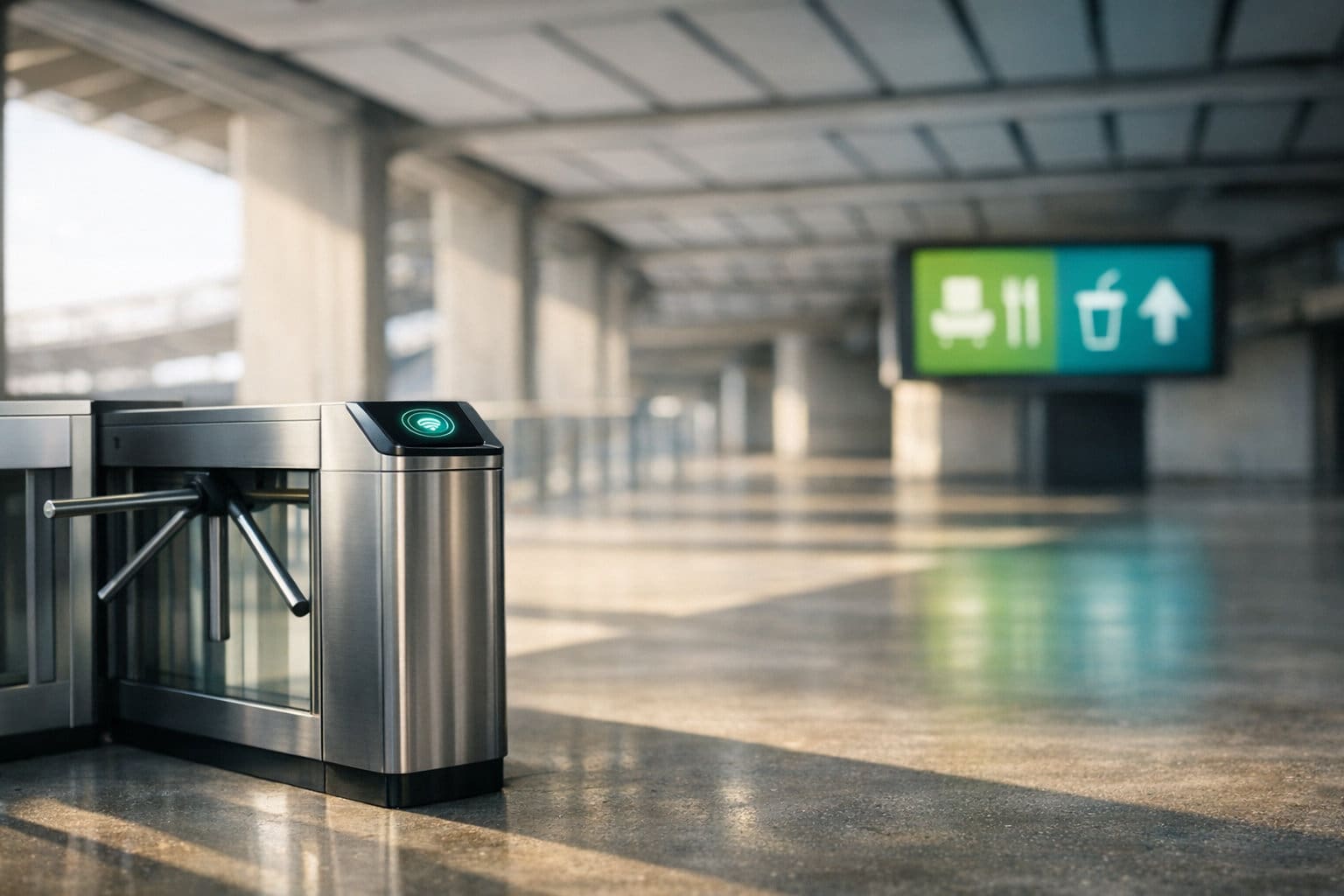
Modern sports stadiums are redefining how you watch live events, offering experiences far beyond the traditional match. From seamless entry systems to immersive viewing technology, fan expectations have never been higher.
These advancements combine comfort, personalization, and inclusivity, making game day smoother and more engaging than ever before.
With home entertainment setups and broadcasts becoming more sophisticated, stadiums now compete to offer you compelling reasons to attend in person. Spectators expect more than just the thrill of the match.
They want technology, convenience, and tailored experiences. Even elements inspired by new casino slots games are influencing entertainment amenities, reflecting how diverse trends shape what you find at major venues.
As expectations rise, stadiums continue to evolve, turning every match into a high-tech, comfortable, and memorable event.
Smart entry innovations reshape your arrival experience
Entering the stadium is now much less of a hassle, thanks to widespread use of mobile ticketing and digital identification.
These systems allow you to quickly access your seat without fumbling for paper tickets and help manage crowds more efficiently through timed entry windows.
Instead of piling up at a handful of gates, you follow guided flow management that spaces out arrivals and reduces stress.
Security enhancements play a critical role as well, integrating technology that maintains safety without causing frustrating bottlenecks.
Automated scanning devices, contactless bag checks, and touchless turnstiles all support a smoother, faster entrance for everyone. The goal is to move you inside seamlessly, getting you closer to the action with minimal delay.
Connectivity powers interactive and responsive stadium services
Reliable high-density Wi-Fi and robust 5G coverage have become foundation elements for the modern live event.
You can easily stream highlights, share moments on social media, or access complementary content without disruptions, supported by improved network infrastructure.
This connectivity is also fundamental in supporting activities like mobile food ordering and real-time wayfinding.
It’s not just about internet access; stadium apps now serve as command centers, letting you order refreshments, locate amenities, or navigate to your seat efficiently.
Stadium-wide systems can use anonymous analytics to optimize crowd movement and resource deployment, creating a more adaptive atmosphere that serves guests’ needs.
Contactless concessions and immersive visual enhancements transform viewing
The shift toward in-seat ordering and cashless, contactless payments is setting a new benchmark for stadium comfort. Instead of queueing in concourse lines, you place and pay for your order from your mobile device and pick it up at an express lane.
This approach can reduce wait times and is often paired with service models that adjust staffing and inventory based on demand.
Inside the seating bowl, larger ultra-high-definition displays and multi-angle replay screens can complement the live game.
Stadium designers may introduce targeted audio zones and app-driven “second screen” features that let you access alternative camera feeds, detailed statistics, or instant highlights while remaining engaged with the on-field action.
Facility operators sometimes look to broader entertainment sectors to enhance spectator involvement through technology.
Personalized services, inclusive design, and sustainable comfort
Personalized content delivery via official apps can help you navigate the venue, receive relevant offers, or join loyalty programs that provide practical benefits.
These digital ecosystems may use preference data to tailor recommendations, reflecting user-centered design approaches also seen in new casino slots games.
Flexible seating models include social zones and modular suites that can cater to diverse groups, balancing premium areas with accessible experiences.
Operators are also investing in upgrades for accessibility and family-friendliness. Facilities may add sensory-friendly rooms, step-free navigation routes, and assisted-listening devices, aiming to ensure more attendees can enjoy the game.
With shorter lines, clearer signage, and improved sightlines, stadiums are prioritizing comfort and inclusivity alongside high-tech features.
Sustainability has become central to comfort and efficient facility management. Many venues use energy-efficient lighting, waste reduction measures, and water-refilling stations.
On hot days, heat mitigation such as shaded seating and controlled airflow can help you stay comfortable and focused on the game itself.
Looking forward, stadium innovation is expected to continue. Potential enhancements include biometric entry options, augmented reality overlays, and real-time translation services to support more visitors.
At the same time, operators often emphasize privacy safeguards and data security to help maintain trust in the stadium environment.
Today’s stadiums can deliver a blend of convenience and immersive technology, supporting an engaging event.
The most effective innovations integrate smoothly, allowing you to focus on the energy and drama unfolding on the field.
RELATED ARTICLES