Sports have always been known for drawing crowds, but somewhere along the way, they stopped being just athletic events and became something closer to cultural rituals.
The reasons are worth unpacking — because this shift didn’t happen overnight, and it wasn’t driven by one thing.
When Sports Got Bigger Than the Game
Today’s entertainment market offers more options than most people can reasonably keep up with.
A sports fan might watch a Sunday football game, check out the best casino site in Ontario for some evening entertainment, or start a new streaming series — all before the week begins.
Sports now compete in a far more crowded attention economy than they did a generation ago. But they didn’t just survive that crowding; they grew through it.
Part of what made sports stick is how deeply communities wove them into everyday social life. Watching a match was never just about the match.
Families built weekly routines around game days, friends planned trips around championships, and workplaces ran informal prediction pools. When broadcast television arrived, those habits scaled from local neighborhoods to entire nations.
Television and the First Big Expansion
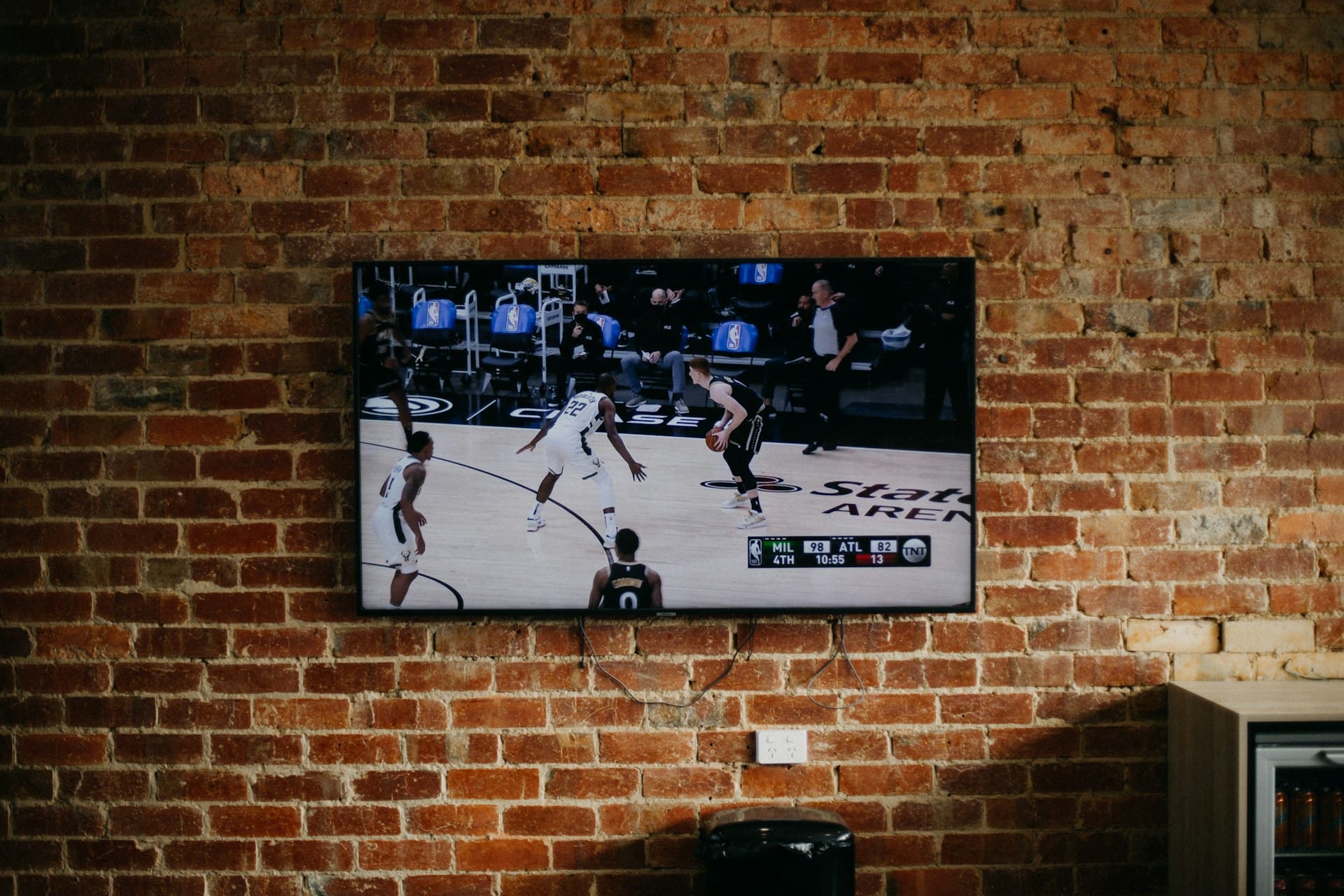
Television didn’t create sports fandom, but it did something remarkable: it gave people without stadium access a front-row seat. Rights deals turned leagues into media empires almost overnight.
The NFL’s relationship with network television is one of the clearest examples — by the 1970s, it had become the country’s most-watched TV programming year after year, and it still holds that position today.
Several factors drove this growth during the broadcast era:
- Live drama: Unlike scripted content, sports outcomes stay genuinely unknown. Audiences came back precisely for that uncertainty.
- Shared moments: Major events — a World Cup final, a heavyweight title fight — created collective experiences across cities and countries simultaneously.
- Repeatability: A long regular season still led to a post-season climax, which gave audiences something to follow for months at a time.
This formula proved remarkably durable, even as the media industry splintered in the decades that followed.
The Digital Shift Changed the Relationship
When social media arrived, sports coverage didn’t just move online — it multiplied. Highlights became shareable clips.
Athletes became personal brands. Fans who watched a game could argue about it with strangers in real time, which extended the experience well beyond the final whistle.
The sports media ecosystem now includes:
- Traditional broadcasters and cable networks
- Streaming platforms with exclusive league deals
- Club-owned social channels
- Podcasts, YouTube recaps, and fan-run newsletters.
Each of these reaches a different slice of the audience and builds a different kind of connection.
A teenager might never watch a full 90-minute football match but still follow five players on Instagram and buy a jersey. That counts as fandom — just not a traditional version of it.
Why Athletes Became Cultural Figures
Athletes today hold a kind of cultural weight that used to belong mostly to musicians and film stars. It happened for a few reasons.
Sponsorship deals started placing athletes in ad campaigns well outside their sport, giving them exposure to audiences who didn’t follow the game at all.
Then social media gave them a direct channel to the public, cutting out the filter of journalists and PR teams entirely.
LeBron James, Serena Williams, Cristiano Ronaldo — these are global figures whose influence extends well past sport. They partner with fashion labels, launch business ventures, and weigh in on social issues.
This outcome emerged from massive visibility combined with personal platform access that no previous generation of athletes had.
Live Events and the Experience Economy
Despite every digital option available, demand for live sports continues to outpace most other live entertainment.
Concerts and theaters face consistent competition from streaming. Sports largely don’t, at least not in the same way.
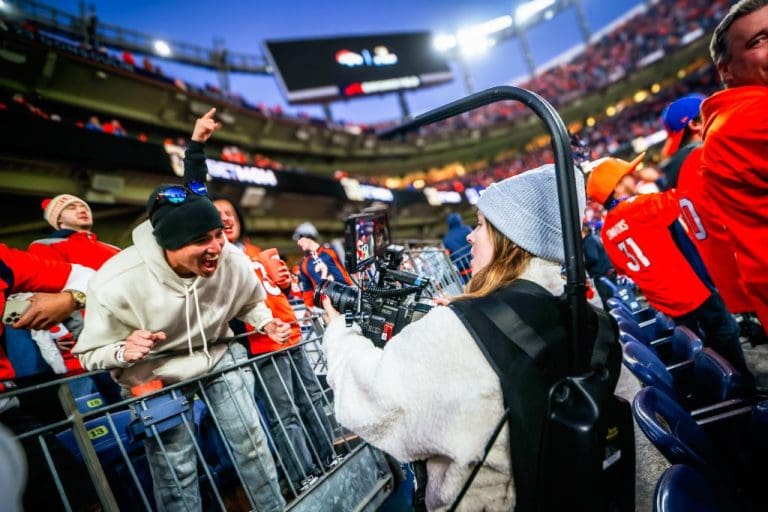
Attending a game in person offers something streaming can’t fully replicate. The crowd noise, the unpredictability, and the shared reaction to a last-minute goal — these are sensory experiences.
Cities understand this, which is why stadium deals remain expensive and politically contentious. A major sports franchise draws tourism, broadcast revenue, merchandise sales, and sustained media attention to a region in ways few other cultural institutions can.
What Comes Next
Sports content is constantly moving into new formats. Short-form video has created demand for highlight packages optimized for mobile screens.
Gambling integration — legal in a growing number of markets — has added another layer of engagement for fans who want a stake in outcomes beyond ordinary fandom. Streaming platforms are bidding aggressively for live rights.
None of this suggests sports are at risk. If anything, the opposite seems true. The more channels exist for content, the more sports fills them.
It sits at the center of live TV ratings, dominates social media during major events, and generates the kind of audience loyalty that advertisers and platforms constantly chase.
The real question going forward isn’t whether sports matter to entertainment culture. It’s how the business models around them will shift as technology and audience behavior continue to change.
RELATED ARTICLES