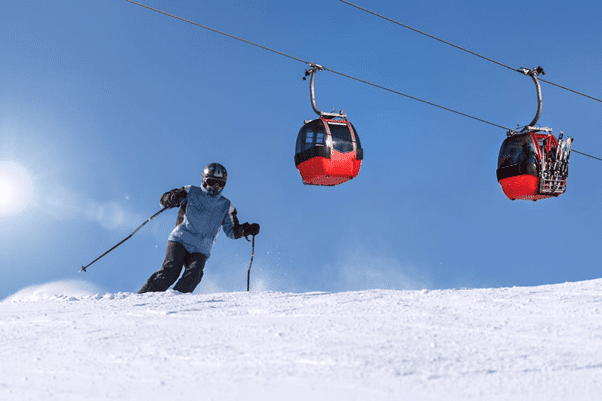
Watching elite athletes carve through snow at the Winter Olympics has a funny effect on people.
One minute you’re casually scrolling highlights, the next you’re pricing ski jackets, checking snow reports and wondering whether your knees still work well enough for a downhill run.
That Olympic magic has a way of making winter feel cinematic. Suddenly, the idea of a ski trip stops feeling like a distant fantasy and more like a very reasonable decision.
The good news is that planning a ski trip is not as complicated as it looks. With a bit of good timing, smart packing and realistic expectations about how many times you might fall over on day one, you can turn Olympic inspiration into a proper winter escape.
Choosing Your Ski Destination (Where the Snow Actually Lives)
The first decision is where you want to ski, and the answer usually depends on how serious you are about snow, budget and travel time.
If the 2026 Winter Olympics in Italy have you dreaming of dramatic scenery and espresso breaks between runs, the Italian Alps should be high on your list.
Regions like the Dolomites offer incredible terrain, stunning views and a slightly more relaxed atmosphere compared to some of the busier European resorts. January to March usually delivers the most reliable snow conditions.
Japan is another favourite among Australians, particularly places like Niseko in Hokkaido, which has developed something close to legendary status for its powder snow.
The runs are forgiving, the food is sumptuous, and the experience feels polished without being intimidating. The peak season runs from late December through February.
Closer to home, Australia’s own resorts like Perisher, Thredbo and Falls Creek offer convenient options for shorter trips.
The snow can be less predictable than overseas destinations, but the accessibility and familiar setting make them perfect for beginners or quick winter getaways. The season typically runs from June to August.
To be fair, each location offers a different experience, and part of the fun is choosing the kind of winter story you want to tell.
Timing Matters More Than You Think
Snow is not just snow. Conditions change dramatically depending on when you travel, and timing can make or break the whole experience. Early-season trips often come with lower prices and fewer crowds, but snow coverage may be limited.
Peak season delivers the best conditions but also higher costs and busy slopes. Late season can offer sunshine and softer snow, which beginners often find more forgiving.
Olympic broadcasts tend to show perfect conditions because, well, they are the Olympics. Real life involves weather forecasts, changing visibility, and the occasional icy patch that reminds you gravity exists.
Checking snow reports, researching average snowfall and booking during reliable periods is one of the smartest moves you can make.
What to Pack (And What Not To)
Packing for a ski trip is where people usually overthink things. The reality is that most heavy equipment can be rented at the resort, which makes travelling far easier.
You will want to focus on the essentials. Thermal base layers, waterproof outerwear, quality gloves and comfortable socks are a must.
When packing your bag, there are plenty of things you won’t need to bring because you can rent them on the ski fields, but personal items like your favourite beanie or reliable sports sunglasses should be at the top of your list.
Good eye protection makes a noticeable difference when glare reflects off snow all day, and familiar gear simply feels better. Remember: the goal is comfort and safety, not looking like a professional skier on your first day.
Beyond the Slopes
Here’s something you only realise once you actually go on a ski trip. You don’t spend the whole time skiing. Not even close.
You spend a surprising amount of time trying to walk in ski boots without looking ridiculous, figuring out how to carry equipment you absolutely do not understand yet, and recovering from the kind of muscle soreness that makes sitting down feel like a calculated risk.
Somewhere in between all that, the mountain lifestyle quietly grows on you. Lunch breaks stretch longer than planned because everything tastes better when you’re freezing.
People you’ve never met will start conversations with you on chairlifts and tell you about the one run you “absolutely must try”, even though you are still recovering from the beginner slope.
By day three, you develop strong opinions about hot chocolate quality and start talking about snow conditions like you grew up in the Alps.
You’d be surprised to know that some of the best moments have nothing to do with skiing at all. Sitting by a window watching heavy snowfall. Wandering around tiny mountain towns that feel completely removed from real life.
Realising your phone has been in your pocket for hours, and you didn’t even notice. That’s the part people miss when they watch the Olympics. The sport looks exciting, sure. But the lifestyle around it is what really gets you.
Let the Olympics Be the Push
The Winter Olympics remind people how thrilling winter sports can be, but you do not need elite skills to enjoy the mountains. A good ski trip can potentially be a core memory that you cherish for your lifetime.
You will fall. You will laugh. You will probably drink something warm while watching snow fall outside a window and think, “This was worth planning.”
And honestly, that is reason enough to start looking at flights.
RELATED ARTICLES