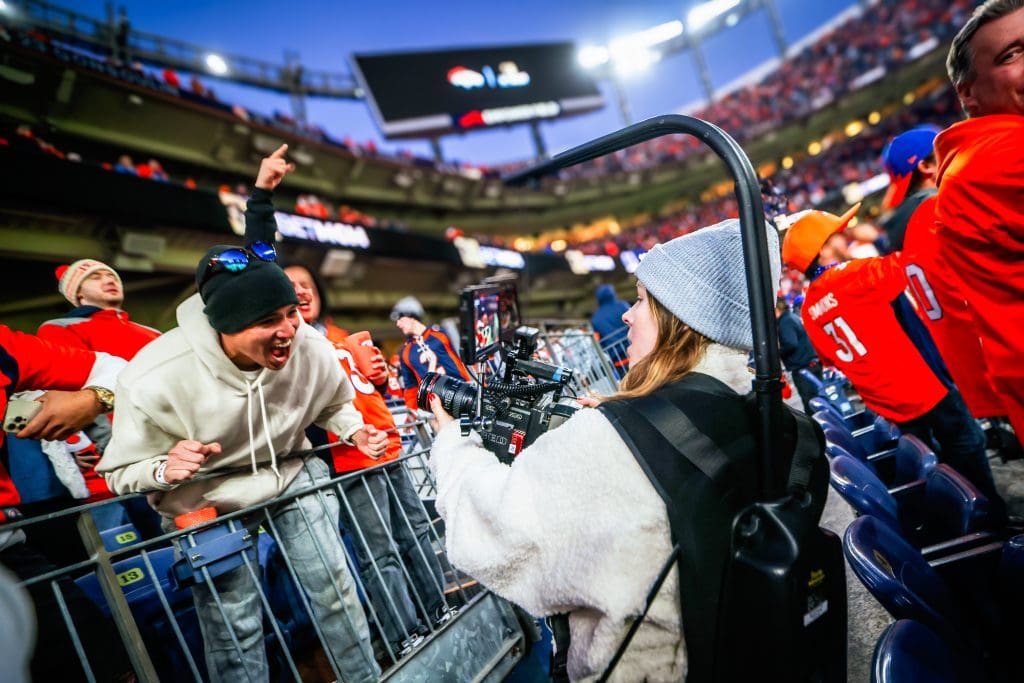
Ten years ago, game day coverage meant a studio panel, a sideline reporter and a highlights show after the final whistle.
In 2026 a large share of fans get their pregame analysis from a creator on YouTube, follow the game alongside a streamer, and rewatch the key plays as short clips before the broadcast has finished its postgame show.
That shift has turned sports creators into small media businesses, and media businesses run on sponsors. Here is how those deals work and how fans can tell when they are watching an ad.
What sports creators actually make
Most sports creators work across a handful of formats:
- pregame breakdowns, picks and previews on YouTube or podcasts
- live watch-along streams, where the creator reacts to the game while thousands of fans talk in chat
- short clips and reaction videos on TikTok, Instagram Reels and YouTube Shorts
- postgame debate shows and fan call-ins
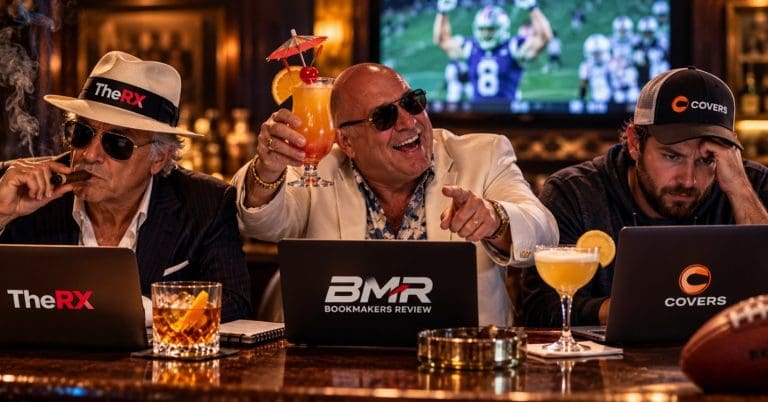
Creators usually cannot show the broadcast itself, so a watch-along is the creator, the chat and a live scoreboard.
Fans still stay for the whole game because it feels like watching with friends in a packed sports bar.
That is why the format interests sponsors. A creator can hold a viewer for three hours. A fifteen-second TV spot never does.
Why brands pay creators instead of buying ads
Brands follow attention, and sports fans have spread their attention across dozens of channels.
A creator with 50,000 loyal followers of one team can be worth more to a regional brand than a national TV spot that mostly reaches people who do not care about that team.
Creators also produce material the brand can reuse. A great reaction to a last-second touchdown or a buzzer-beater keeps working on social media long after the game ends.
How sports creator sponsorships are structured
Most deals fall into a few shapes:
- Fixed fee: a set price for a number of streams, videos or posts.
- Season partnership: a branded segment that runs every week, such as a sponsored “play of the game”.
- Performance deals: the creator earns from sign-ups or sales they drive through a tracked link or code.
- Product integrations: a creator uses a brand’s app, gear or merchandise on air.
Larger programmes are often coordinated by specialist agencies such as 3Bet Media, which plan creator and streamer campaigns, check audience quality and report results back to the brand.
How to tell when a post is sponsored
In the United States, the Federal Trade Commission’s endorsement guidance says that when a creator has a material connection to a brand, such as payment or free products, that connection should be disclosed clearly and conspicuously. A tag buried in a long list of hashtags does not count.
Platforms add their own rules. YouTube asks creators to switch on its paid promotion setting when a video includes sponsorships or endorsements, which places a disclosure label at the start of the video.
So when you watch your favorite sports creator, look for:
- spoken or on-screen phrases like “sponsored by” or “paid partnership with”
- platform labels such as YouTube’s paid promotion notice or Instagram’s paid partnership tag
- disclosures next to discount codes and affiliate links
Live streams are harder, because fans join halfway through. Good streamers repeat the disclosure during the broadcast or keep it on screen the whole time.
What this means for fans
Sponsored content is not bad content. Some of the best game day shows only exist because a brand pays for them.
What matters is knowing which parts are the creator’s honest opinion and which parts are paid, so you can weigh a recommendation the way you would weigh any other ad.
The best sports creators make that easy. They disclose up front, keep their analysis honest even when a sponsor is watching, and only work with brands that fit their audience. Those are the creators worth following all season long.
Sources: Federal Trade Commission, “FTC’s Endorsement Guides: What People Are Asking” (ftc.gov/business-guidance/resources/ftcs-endorsement-guides-what-people-are-asking); YouTube Help, “Add branded content restrictions and disclosure labels” (support.google.com/youtube/answer/154235).