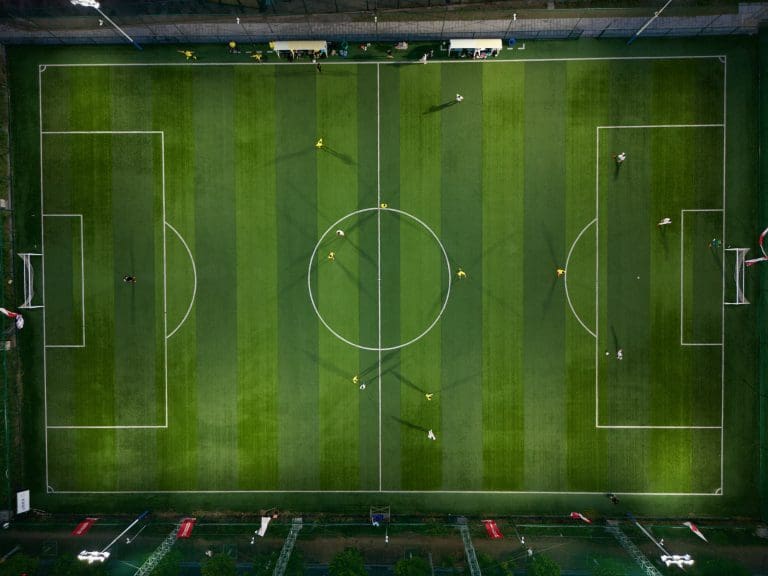
The global sporting calendar in 2026 is arguably one of the most exciting, high-stakes, and monumental in recent memory.
Major tournaments are no longer just athletic competitions; they have evolved into massive, synchronized cultural moments that capture the imagination of billions across the globe.
From the snow-capped peaks of the Italian Alps to the sprawling, state-of-the-art stadiums of North America, this year promises an unprecedented showcase of human resilience, technological innovation, and world-class athletic drama.
For the modern sports fan, keeping track of these global spectacles is an exciting challenge.
As broadcasting technology reaches new heights—introducing real-time data overlays and immersive multi-camera angles—watching a major tournament has become a deeply engaging, multi-screen experience.
Whether you are a dedicated follower of team tactics or a casual observer of athletic glory, this year’s schedule features several unmissable events that are set to redefine the boundaries of global sports.
The Pinnacle of Global Sports in 2026
The current year is packed with historic tournaments, but a select few stand out as absolute priorities for any passionate sports enthusiast:
- The 2026 FIFA World Cup: Hosted jointly by Canada, Mexico, and the United States, this tournament is the biggest in history, featuring an expanded 48-team format. It promises to be a massive celebration of football culture, taking over the entire North American continent.
- The Milano Cortina 2026 Winter Olympics: The return of the Winter Games to Italy, showcasing the peak of alpine skiing, figure skating, and ice hockey against some of the most picturesque, technically demanding winter landscapes in the world.
- The Monaco Grand Prix: The crown jewel of the Formula 1 calendar, where the modern, high-tech grid of young prodigies and legendary world champions will navigate the narrow, unforgiving street circuit of Monte Carlo at extreme speeds.
- The Wimbledon Championships: The oldest and most prestigious tournament in tennis, where the world’s best athletes will battle on the historic grass courts of London, testing their grass-court adaptation and psychological resilience.
This relentless, year-round schedule of high-octane sports keeps the global audience in a state of constant, adrenaline-fueled excitement. However, the modern fan rarely limits their digital consumption to just passive viewing.
During the halftime breaks, weather delays, or empty gaps in the sporting calendar, enthusiasts naturally look for alternative digital avenues to maintain that high-stakes, thrill-seeking mindset.
For instance, many turn to premium online platforms to explore the top casino games available, utilizing these interactive environments to enjoy fast-paced strategy, visual richness, and instant-win mechanics.
This seamless transition from analyzing real-world sports telemetry to engaging in high-fidelity digital gaming illustrates how contemporary audiences prioritize active participation, analytical challenges, and high-quality entertainment in all aspects of their leisure time.
The expanded 48-Team FIFA World Cup: A New Era
The 2026 FIFA World Cup represents a historic paradigm shift for the “beautiful game.” By expanding the tournament to 48 teams, FIFA has opened the door for nations that have historically struggled to qualify, creating a truly global festival of football.
This expansion has transformed the tactical and economic landscape of the sport. Smaller nations are bringing highly disciplined, defensively compact “low-block” systems designed to frustrate the world’s elite teams, while corporate sponsors and broadcasters are preparing for unprecedented viewership numbers across North America.
The tournament will be a fascinating test of athletic endurance, squad depth, and tactical adaptability across varied climates and time zones.
Milano Cortina 2026: Reimagining the Winter Games
The Milano Cortina 2026 Winter Olympics are set to blend the rich cultural heritage of Italy with cutting-edge sustainable technology. Organizers have prioritized using existing venues to minimize the environmental footprint, setting a new benchmark for green sports tourism.
Athletically, the games will feature the debut of ski mountaineering, adding a highly exhausting, physically demanding new discipline to the winter roster.
The return of NHL players to the men’s ice hockey tournament is also set to create a highly competitive, star-studded battle on the ice.
With state-of-the-art camera systems providing spatial computing and augmented reality overlays for viewers at home, Milano Cortina will deliver some of the most visually stunning, immersive winter sports coverage in history.
Conclusion
The year 2026 stands as a monumental milestone for global sports culture.
Whether you are cheering in a packed stadium, debating tactics on social media, or testing your predictive skills against the odds, these major events offer a powerful, unifying narrative in an increasingly fragmented world.
They remind us of our collective capacity for greatness, ensuring that the thrill of the game—whether played on grass, ice, or asphalt—continues to capture the heart of humanity.
RELATED ARTICLES