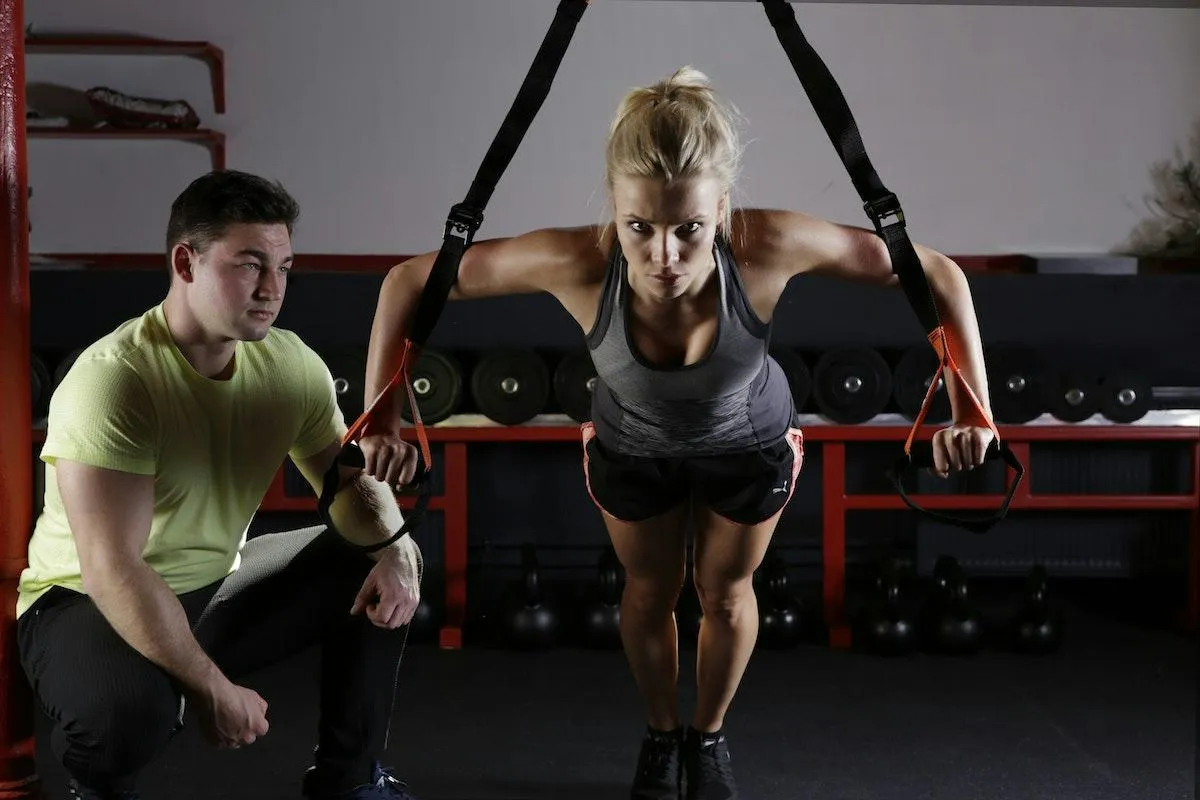
Athletes at every level, whether they are beginners or seasoned professionals, share a common goal: performing at their absolute best while maintaining the health and physical resilience needed to compete consistently over time.
Generic workout routines can certainly help build a foundation of general fitness, but they often fall short when it comes to addressing the unique physical demands that a particular sport or playing position requires.
Targeted training, which is designed to address the unique physical and tactical demands that each sport places on an athlete’s body, takes a fundamentally different approach from the generalized routines that many athletes default to in their preparation.
It zeroes in on the exact movement patterns, muscle groups, and energy systems an athlete relies on most during competition. No matter your sport, a tailored training program can produce performance gains that generic plans simply cannot match.
What separates good athletes from great ones is often how closely their training mirrors their sport’s actual demands.
How Targeted Training Programs Transform Athletic Performance
Matching Exercises to Sport-Specific Demands
A sprinter and a marathon runner both use their legs, yet the physiological demands placed on their muscles differ enormously.
Targeted programs account for these differences by selecting exercises, rep ranges, and recovery protocols that mirror the intensity and duration of actual competition.
A volleyball player, for instance, benefits from plyometric drills that develop explosive vertical power, while a swimmer focuses on rotational shoulder stability and core control. When athletes train movements they actually perform on the field or court, the transfer to game-day performance becomes far more direct.
Investing in a lightweight ankle brace can further support these sport-specific movements by providing joint stability without restricting agility or speed.
This combination of precise exercise selection and appropriate gear creates a training environment where every repetition counts toward measurable improvement.
Periodization and Progressive Overload
Structured programs also apply periodization, a method that organizes training into phases focused on different qualities such as strength, power, speed, or endurance.
During the off-season, an athlete might prioritize building a muscular foundation. As the competitive season approaches, the emphasis shifts to explosive movements and sport-specific conditioning.
This phased approach prevents plateaus and keeps the body adapting. Progressive overload, the gradual increase in training stimulus, ensures athletes continue to develop rather than simply maintain their current abilities.
Supplementation strategies also play a role in supporting these phases. Many professional athletes consider nutritional support seriously, and our article on creatine use among professional basketball players explores one popular example in detail.
Injury Prevention as a Core Benefit of Sport-Specific Workouts
Correcting Imbalances Before They Become Problems
One of the most frequently overlooked advantages of targeted training programs is their remarkable ability to identify and effectively address muscular imbalances that develop over time in athletes. Athletes who repeat the same movements strengthen some muscle groups while neglecting others.
For instance, a tennis player’s serving arm frequently grows much stronger than the non-dominant side. As these asymmetries persist over time, they place uneven and disproportionate stress on joints and connective tissue, which significantly increases the risk of strains, tears, and chronic pain.
A properly structured plan incorporates corrective exercises that target weaker muscles and improve joint alignment.
Screening assessments that are conducted at the beginning of each training cycle help coaches accurately pinpoint specific vulnerabilities before they have the chance to escalate into serious and potentially debilitating setbacks.
This forward-thinking strategy can save weeks or even months of recovery time.
Reducing Overuse Through Smart Programming
Overuse injuries are responsible for a large proportion of time lost in competitive sport. These injuries develop gradually over time when the body’s tissues are repeatedly loaded beyond their natural capacity to recover, which causes cumulative damage that worsens with continued stress.
Targeted programs carefully balance training load with planned recovery periods. Instead of ignoring fatigue, athletes learn to recognize their body’s signals and make appropriate adjustments.
This disciplined approach may seem counterintuitive to believers in more work, yet research confirms adaptation truly happens during recovery.
Athletes who consistently follow evidence-based programming tend to experience significantly fewer recurring injuries over the course of their careers and spend considerably more time actively competing rather than sitting idle in a physical therapy clinic.
Strengthening Ankles and Joints Through Focused Exercise Routines
Ankle sprains are among the most frequent injuries in field and court sports. The ankle joint endures great force during athletic movements. Targeted exercises like balance work, band strengthening, and proprioceptive drills greatly lower sprain rates.
Proprioception, which refers to your body’s innate awareness of its position and orientation in space, gradually degrades following previous injuries and therefore must be deliberately and actively retrained through targeted exercises.
Exercises such as single-leg stands on unstable surfaces or lateral hops restore the neural pathways that safeguard the joint. The same strengthening principles apply to knees, hips, and shoulders through progressive loading and neuromuscular training.
Five Measurable Advantages Athletes Gain From Structured Training Plans
When athletes follow a structured, sport-specific training approach, the results become evident in measurable ways. Targeted programs offer five measurable advantages over random workouts.
- Increased power output: Periodized strength programs improve vertical jump 8–15%, boosting on-field explosiveness.
- Faster sprint times: Game-mimicking speed drills improve acceleration, often shaving tenths off short sprints.
- Improved endurance markers: Interval training designed around the demands of a particular sport raises VO2 max and lactate threshold more effectively than steady-state cardio alone, as confirmed by research into the benefits of consistent physical activity and structured exercise habits.
- Lower injury rates: Individualized prevention protocols reduce soft-tissue injuries by up to 30% versus generic warm-ups.
- Better body composition: Resistance training and sport-specific conditioning build lean muscle and reduce body fat.
These results are not merely theoretical or abstract promises. These outcomes can be reliably tracked through performance testing, body composition scans, and game statistics, which together provide athletes and coaches with concrete, measurable data that allows them to refine their approach progressively over time.
Building Long-Term Resilience and Career Longevity on the Field
Short-term performance gains matter, but the true value of targeted preparation becomes most apparent over the course of an entire career. Athletes who invest in structured programs develop physical resilience that allows them to absorb the cumulative stress of years of competition.
Tendons, ligaments, and bones strengthen in response to progressive loading, creating a durable framework that resists breakdown. Mental toughness also grows when athletes follow a disciplined plan.
Knowing that every session has a clear purpose builds confidence and reduces the anxiety that often accompanies high-level competition. Athletes returning from surgery or other procedures also benefit from carefully structured programs.
Our guide on returning to training after cosmetic procedures highlights how female athletes can adjust their plans for safe, gradual re-entry into full activity.
Career longevity is not just about talent. It is about consistently preparing the body and mind to handle what sport demands, season after season, year after year.
Why Every Athlete Deserves a Plan Built for Their Sport
Targeted training is not a privilege set aside exclusively for professional athletes. Athletes of all ages and ability levels stand to gain significantly from training programs that are carefully designed around their specific needs, goals, and physical capabilities.
From reducing injury risk and correcting imbalances to improving measurable performance markers and extending careers, the advantages are both immediate and lasting.
Success depends on committing to a structured approach, tracking progress honestly, and adjusting the plan as your body evolves. When preparation is precise, the results speak for themselves on game day.
Frequently Asked Questions
How should swimmers structure their training to improve rotational power?
Swimmers need training programs that emphasize rotational shoulder stability and core control for optimal stroke mechanics. Exercises should target the specific muscle groups used in freestyle, backstroke, and butterfly movements. Training should include both pool work and dry-land exercises that strengthen the kinetic chain from core to shoulders for maximum power transfer through the water.
What ankle protection should athletes use during intensive sport-specific training?
Athletes performing high-intensity sport-specific drills need ankle support that maintains joint stability without restricting movement. A lightweight ankle brace provides the ideal balance of protection and mobility during explosive movements. Betterguards offers solutions that allow athletes to train harder while reducing injury risk from repetitive stress.
What is periodization and how does it benefit athletic performance?
Periodization organizes training into structured phases that systematically progress from general conditioning to sport-specific preparation. This method prevents overtraining while ensuring athletes peak at the right time for competition. Progressive overload within each phase allows for measurable improvements in strength, power, and skill development throughout the training cycle.
How does sport-specific training differ from general fitness workouts for athletes?
Sport-specific training targets the exact movement patterns, muscle groups, and energy systems used in competition, while general fitness focuses on broad physical conditioning. This targeted approach matches exercises to the intensity and duration demands of the specific sport. The precision of sport-specific programs creates more direct transfer to actual game performance than generic workout routines.
What training methods work best for developing explosive power in volleyball players?
Volleyball players benefit most from plyometric drills that develop vertical jumping power and quick directional changes. These exercises should mirror the explosive movements required during spiking, blocking, and defensive reactions. Training programs should focus on lower body power development combined with core stability work to maximize jump height and landing control.
RELATED ARTICLES