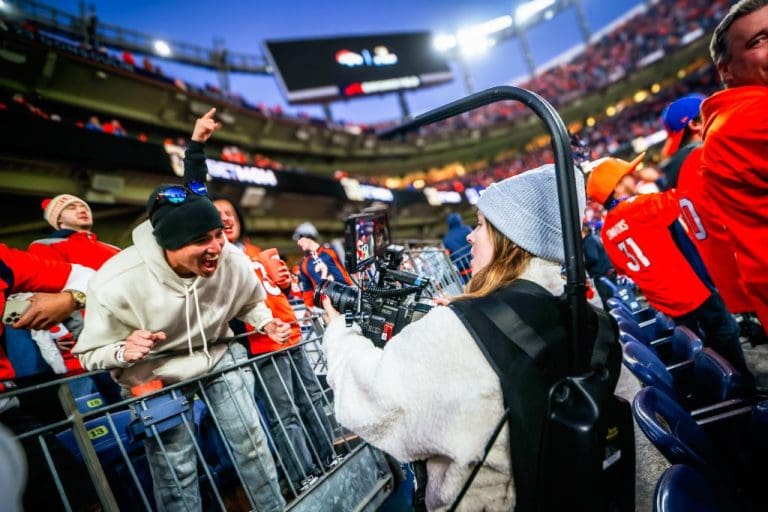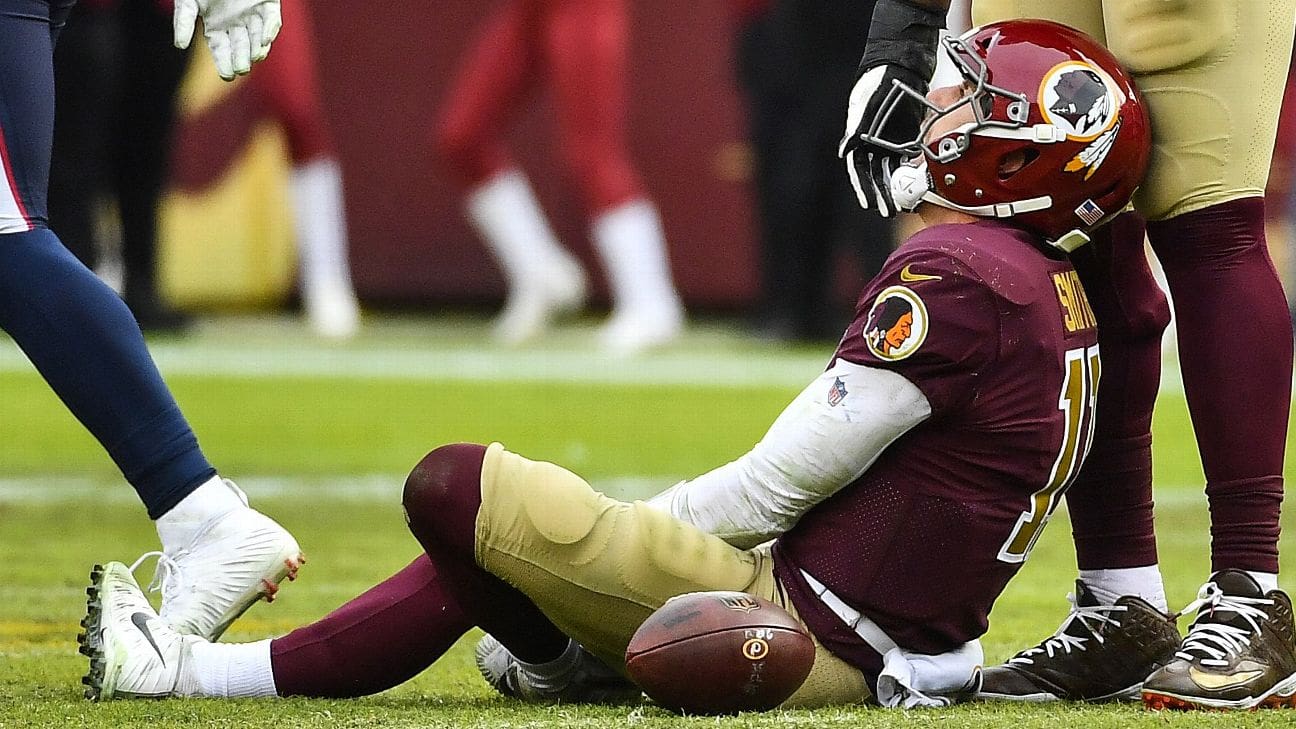
Game day is supposed to be about the crack of the bat, the roar of the crowd, and the kind of shared excitement that makes live sports unlike anything else.
But for thousands of fans every year, a trip to the stadium ends in something far more serious: a slip on a wet concourse, a foul ball to the face, a fall from defective seating, or an injury caused by an out-of-control crowd.
If it happened to you or someone you were with, one question cuts through the adrenaline: What are your rights?
The answer isn’t as simple as “the stadium is always responsible,” but it’s also not as dismissive as “you assumed the risk when you bought the ticket.”
Understanding where you stand legally can be the difference between covering a preventable injury out of pocket and holding the right party fully accountable.
Stadiums Owe Fans a Duty of Care
When you walk through the turnstiles at Hard Rock Stadium or loanDepot Park, you become what’s legally known as an invitee, someone a property owner has invited onto their premises for a business purpose.
That classification matters because it triggers the highest standard of care under premises liability law.
Stadium owners, operators, and their vendors are legally obligated to maintain reasonably safe conditions for fans.
That means proper lighting in stairwells, slip-resistant flooring near concession areas, secure and maintained seating structures, adequate crowd management, and security personnel equipped to prevent foreseeable harm.
When they fail to meet that standard, and someone gets hurt, liability follows.
The Centers for Disease Control and Prevention reports that falls are among the leading causes of non-fatal injuries in the United States, with millions of emergency department visits each year.
Stadiums, with their combination of elevated seating, crowded concourses, and spilled beverages, represent a concentrated version of exactly the environment where these injuries happen.
The “Assumption of Risk” Defense and Its Limits
Here’s where many injured fans get confused or discouraged: stadiums lean heavily on what’s called the “assumption of risk” doctrine, and most tickets carry fine print that attempts to waive liability for certain types of injuries.
For sports-specific dangers like a foul ball that travels into the stands or a puck in an NHL arena, courts have historically applied a narrowed version of this doctrine.
Known as the “Baseball Rule,” it holds that fans seated in unscreened areas voluntarily accept some inherent risk of being struck by game action.
But this doctrine has real limits. It covers risks that are inherent to watching the sport, not hazards created by the venue’s negligence.
The U.S. Consumer Product Safety Commission tracks product and structural defect data precisely because facility conditions that go beyond ordinary sporting risk remain the owner’s legal responsibility.
A broken seat that collapses under you? Not inherent to baseball. A wet floor with no warning sign near the men’s restroom? Not inherent to football. Security staff who ignore a combative fan until it escalates into a brawl? Not an assumed risk of attending the game.
If your injury didn’t arise from the actual play on the field but came from how the venue was maintained, managed, or staffed, assumption of risk is unlikely to shield the stadium from accountability.
Who Else Can Be Held Liable?
Stadium injuries don’t always point back to the team or the venue. Third-party contractors and vendors may be independently responsible for the conditions that caused your injury.
Food and beverage vendors who create slippery conditions. Cleaning crews who fail to mark wet floors. Private security firms whose employees act with excessive force. Equipment manufacturers whose defective products fail in use.
Each of these parties can carry independent liability, and a respected practitioner in the field will identify all responsible parties rather than stopping at the most obvious one.
In cases involving serious injury, the U.S. Courts resource on civil litigation outlines how federal and state courts handle these claims, a process that can feel overwhelming without legal guidance in your corner.
Steps to Take Immediately After a Stadium Injury
What you do in the hours after a stadium injury can either build or break your case:
- Report the incident to stadium staff and insist on a written incident report. Get a copy before you leave.
- Document everything with your phone: the hazard, the location, your visible injuries, and any witnesses nearby.
- Seek medical attention immediately, even if the injury seems minor. Delayed treatment is one of the most common ways insurers challenge claims.
- Preserve your ticket and any communications from the venue.
- Don’t sign anything the venue offers you at the scene.
Time is also a legal constraint, not just a practical one. Florida’s statute of limitations on personal injury claims is two years from the date of injury.
That window sounds generous until you realize how quickly evidence disappears and witnesses become unavailable.
Get Counsel Before the Venue’s Legal Team Gets Ahead of You
Stadium operators and professional sports franchises carry substantial legal teams and deep experience managing injury claims. From the moment your incident is documented, their process begins. Yours should, too.
Fort Lauderdale personal injury lawyers expertly handle venue liability cases, addressing negligence from premises to vendors and security, and proactively countering venue defenses.
Game day doesn’t come with a legal waiver for the venue’s own negligence. If you were hurt at a stadium and someone else’s failure caused it, you have the right to pursue full compensation, and you don’t have to navigate that process alone.
RELATED ARTICLES