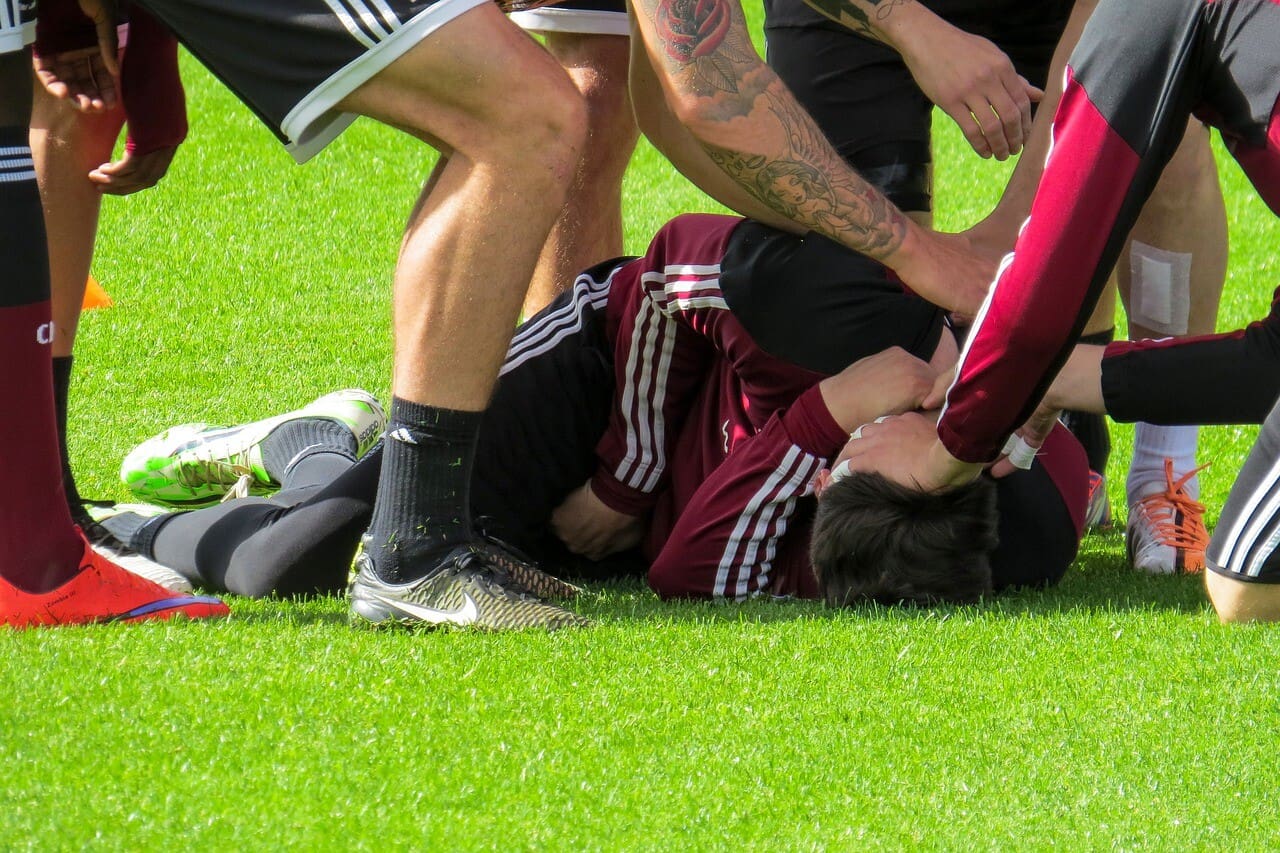
Basketball causes the most total sports injuries in many large studies. Football often has the highest injury rate per athlete due to frequent collisions.
The sport with the most injuries depends on what researchers measure. They may count total injuries, injuries per player, ER visits, or injury severity.
Basketball ranks high because millions of people play it. The sport involves constant jumping, cutting, and quick changes in direction.
Football, soccer, and other contact sports also report many injuries. But the ranking can change, depending on the data type being analyzed.
Key Takeaways
- Basketball is associated with the highest total number of sports injuries in many studies, while football often has the highest injury rate per player.
- The answer depends on how injuries are measured, including total cases, injuries per athlete, emergency visits, and injury severity.
- Common injuries include ankle sprains, knee ligament tears, muscle strains, concussions, and overuse problems.
- Athletes can lower their risk through proper warm-ups, strength training, safe technique, gradual increases in workload, and adequate recovery.
Why Injury Rankings Can Change
There is no single ranking that applies to every sport, age group, or level of play. Some studies count emergency room visits, while others count injuries per athlete, per game, per practice, per season, or per hour played.
A sport with millions of participants may produce more total injuries even when each player has a lower personal risk.
The available injury data shows why these rankings differ. One national study found that basketball had the highest rate of injuries, followed by running and soccer.
Football had fewer total participants but a much higher injury rate per 100 players. This difference shows why total cases and injury rates should not be treated as the same measure.
When people ask which sport causes the most injuries, the answer depends on the type of data used.
Basketball may lead in total cases, while football may lead in injuries per player. Cycling, skating, or other activities may rank higher when severe falls and head trauma are included.
Sports With the Highest Injury Numbers
Basketball often ranks as the sport with the most injuries because of its high level of participation. Players jump, land, stop, turn, and run at high speed throughout the game.
These physical demands place repeated stress on the ankles, knees, fingers, shoulders, and lower back.
Common basketball injuries include:
- Ankle sprains
- Knee ligament tears
- Jammed or broken fingers
- Patellar tendon pain
- Calf and hamstring muscle strains
Many basketball injuries happen without direct contact. A player may land on another person’s foot or turn while the knee is in a weak position.
Poor balance, weak hip control, and tired muscles can also increase the risk of injury. Strength, balance, and landing drills can help athletes move with more control.
Football often has the highest rate of injury per player. Tackling, blocking, sprinting, cutting, and falling expose athletes to strong forces. Helmets and pads reduce some risks, but they cannot prevent every injury caused by repeated contact.
Common football injuries include:
- Concussions
- Shoulder dislocations
- Knee ligament tears
- Hamstring and groin strains
- Hand, wrist, and ankle injuries
Football also carries a higher risk of brain injury than many non-contact sports. A concussion may affect memory, sleep, balance, focus, and mood.
Repeated traumatic brain injuries may create greater health concerns over time. A player with possible concussion symptoms should leave the field and receive medical care.
Soccer and Running Injury Patterns
Soccer ranks among the sports with the highest injury totals because it has a large number of players worldwide. Athletes sprint, slow down, kick, jump, slide, and change direction many times during a match.
These movements can cause both sudden injuries and overuse injuries. Common soccer injuries include ACL tears, groin strains, shin pain, hamstring problems, and ankle sprains.
Contact can cause bruises, cuts, and broken bones. Non-contact turns may damage the knee when the foot stays planted, and the body changes direction.
Running has less contact than football or soccer, but its repeated motion creates a different type of injury.
Pain often begins when a runner increases mileage, speed, or hill work too quickly. Poor footwear, weak muscles, hard surfaces, and too little rest may also contribute.
Common running injuries include:
- Shin splints
- Runner’s knee
- Achilles tendon pain
- Plantar fasciitis
- Stress fractures
These problems often begin as mild pain and become worse with continued training. Early care and a slower training plan can prevent a small issue from becoming a longer injury.
Runners should also pay attention to changes in stride, swelling, and pain that continues after rest.
Recreational Activities Also Carry Risk
Softball can cause many injuries even though some people view it as a low-risk activity. Players may stand for long periods and then sprint, throw, swing, or slide with full effort.
This sudden change in activity can strain the legs, shoulders, back, hands, and ankles.
Cycling, skating, and skateboarding can also lead to serious injuries. High speed, hard surfaces, traffic, and falls increase the chance of head injuries and broken bones.
Helmets can reduce the risk of severe harm, but they cannot prevent every type of injury. These physical activities may not include a coach, trainer, or medical staff. Players may also skip a warm-up because the activity feels casual.
This can raise the chance of strains, falls, and poor movement. A brief warm-up can prepare the body for faster or more forceful actions.
Common Types of Sports Injuries
The type of injury often depends on how the sport is played. Contact sports produce more impact injuries, while running and other repetitive sports produce more tendon and stress-related problems.
Sports that involve jumping and cutting often affect the knees and ankles.
Sports injuries often fall into these groups:
- Sprains
- Muscle strains
- Broken bones
- Joint dislocations
- Tendon injuries
- Concussions
- Cuts and bruises
- Stress injuries
Some injuries occur during a single event, such as a tackle, a fall, or an awkward landing. Others build over several days or weeks. The cause, body part, and type of injury all help guide treatment and recovery.
High School Athletes and Injury Risk
High school athletes face added risks because their bodies are still growing. Many students also play for school teams, private clubs, and weekend leagues at the same time. This schedule may leave little time for rest and recovery.
Contact sports often have a higher injury rate than non-contact sports. Still, many injuries happen during practice rather than games.
Falls, hard contact, overtraining, and poor technique are common causes. Young athletes may also lack the strength or movement control needed for some skills.
Parents and coaches should watch for:
- Limping
- Swelling
- Ongoing pain
- Headaches
- Dizziness
- Poor balance
- A drop in speed or performance
Some young players hide pain because they do not want to miss playing time. This can turn a minor issue into a more serious problem. Early care may shorten recovery and reduce the chance of further harm.
How Athletes Can Reduce Injuries
Reducing the risk starts with training that matches the demands of the sport. A runner needs strong legs and a gradual increase in mileage. A basketball player needs balance, ankle strength, and safe landing skills.
A football player needs strength, contact technique, and enough recovery between hard sessions.
Useful injury preventive steps include:
- Increase training time and intensity slowly.
- Complete a sport-specific warm-up.
- Build strength for the movements used in the sport.
- Learn safe landing, cutting, and contact skills.
- Wear proper shoes and safety gear.
- Rest after demanding practices and games.
- Stop if pain changes normal movement.
- Finish rehabilitation before returning to full play.
Good sleep, proper hydration, and regular rest days also support safe performance. Athletes should avoid hard training when they feel sick, weak, or very tired. These steps play an important role in reducing the risk of both sudden and overuse injuries.
When Physical Therapy May Help
Physical therapy can help an athlete restore strength, movement, balance, and confidence after an injury.
A therapist can also identify movement patterns that place excessive stress on a joint or muscle. A clinic such as Intouch Physical Therapy may create a plan based on the athlete’s sport, injury, goals, and stage of healing.
Care may include stretching, strength work, balance drills, running tasks, and sport-specific movements.
The plan should match the diagnosis, symptoms, and expected healing time. A safe return to sport depends on pain levels, strength, movement control, and medical guidance.
Understanding Sports Injury Statistics
Sports injury statistics can be difficult to compare because studies collect information in different ways. One report may count emergency visits, while another may count only injuries seen by a team trainer.
Some cases never appear in the data because the athlete manages the pain at home.
The phrase injury rates by sport can also refer to several different measures. A study may count injuries per 100 players, while another may count them per 1,000 games or practices.
Good sports medicine research should state the year, age group, competition level, and definition of injury.
Older data can still show broad patterns, but it may not reflect current rules, training methods, or safety gear. Clear limits help readers understand what the numbers can and cannot show.
What Athletes Should Take Away
Basketball often causes the highest total number of injuries, while football often has the highest rate per player. Soccer, running, cycling, softball, skating, and other sports may rank high under different methods.
The answer varies by age, level of play, injury type, and frequency of participation.
Athletes can lower their risk through better technique, strength work, rest, and gradual training changes. Parents and coaches should take pain, swelling, and concussion signs seriously.
Early care can prevent a longer break from sport and support a safer return.
RELATED ARTICLES