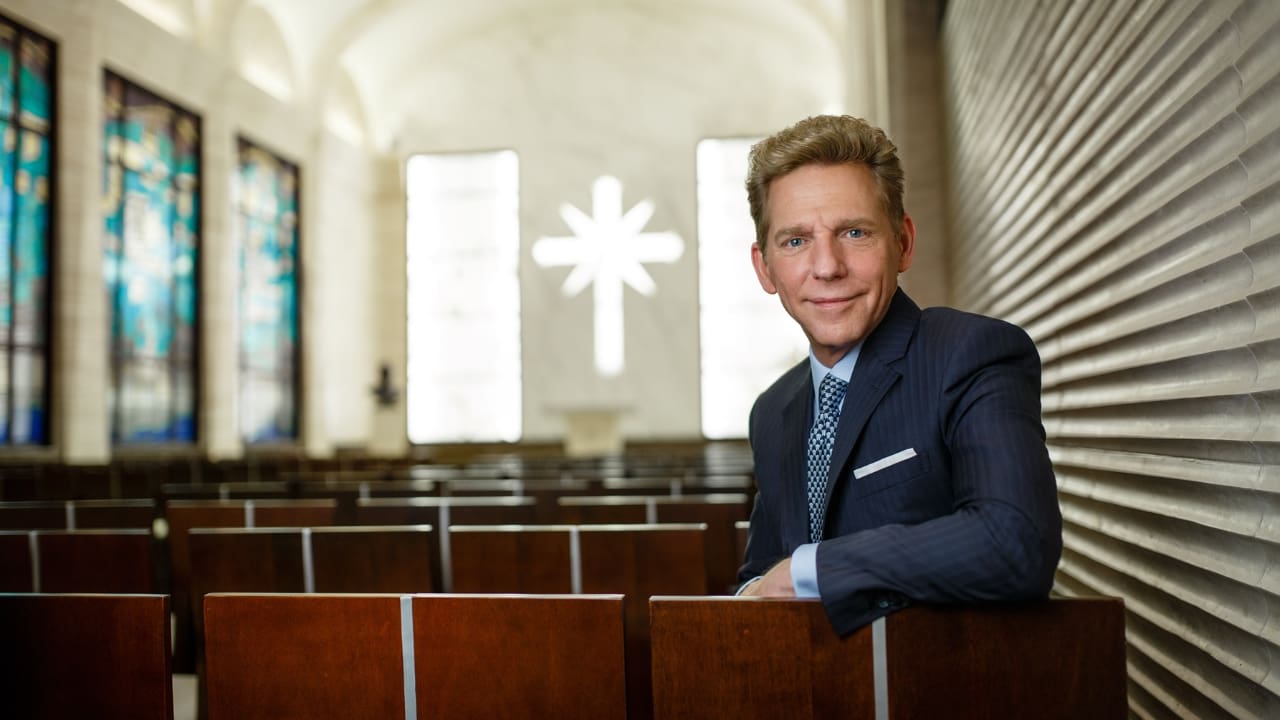
David Miscavige remains the most prominent executive figure in the Church of Scientology, serving as chairman of the Religious Technology Center and its ecclesiastical leader.
Because his personal finances are not publicly disclosed in conventional corporate filings, reliable reporting can establish his organizational role more clearly than his private financial position.
David Miscavige Biography
| Field | Details |
|---|---|
| Full Name | David Miscavige |
| Date of Birth | April 30, 1960 |
| Age (2026) | 66 |
| Nationality | American |
| Role | Chairman of the Board, Religious Technology Center |
| Known For | Leadership of the Church of Scientology |
| Spouse | Shelly Miscavige |
| 2026 Status | Continues to be identified by Scientology as RTC chairman and ecclesiastical leader |
David Miscavige Net Worth Details
As of 2026, David Miscavige has an estimated net worth of $50 million.
His personal fortune is difficult to verify with precision because he does not file public income disclosures, and the Church of Scientology —
as a recognized religious organization in the United States — is exempt from many standard financial reporting requirements.
His wealth does not come from traditional celebrity income streams. Instead, it derives from his position as Chairman of the Board of the Religious Technology Center (RTC),
his control over Church assets, and an extensive array of organizational benefits that effectively subsidize an extraordinarily lavish lifestyle.
Former high-ranking Scientology members, including subjects featured in the HBO documentary “Going Clear”, have stated that Miscavige receives personal staff,
private aircraft access, luxury vehicles, and tailored accommodations — all funded through the Church.
Religious Technology Center and Leadership
The Church of Scientology describes Religious Technology Center as the organization holding Scientology and Dianetics trademarks and serving as the religion’s final arbiter of orthodoxy.
That same official material identifies Miscavige as RTC chairman, while separate Scientology biographies describe him as the ecclesiastical leader of the Scientology religion.
His role therefore centers on religious governance, trademark stewardship, institutional direction, and public leadership rather than ownership of the Church as a conventional business.
That distinction is important financially because control over nonprofit organizational resources does not establish personal ownership of those resources or their underlying asset values.
RTC’s own description says it is not part of the Church’s management structure and does not participate in routine management of individual Scientology organizations.
That formal distinction makes broad claims about Miscavige personally owning institutional property especially difficult to support through public organizational documents alone.
Career and Rise Within Scientology
Miscavige joined Scientology’s Sea Organization as a teenager and rose through internal leadership during the final years of founder L. Ron Hubbard’s life.
After Hubbard’s death in 1986, Miscavige became the dominant public leader associated with Scientology and later consolidated his position as chairman of RTC.
Under his leadership, Scientology expanded facilities, media operations, publishing, and international properties, while also attracting extensive scrutiny from journalists, former members, and litigants.
Official Scientology materials emphasize organizational growth and religious expansion, whereas critics and former members have challenged its management practices and treatment of members.
Legal Scrutiny and Public Record
Miscavige has been named in civil litigation connected with Scientology, requiring careful separation between filed allegations, procedural rulings, and any proven findings of liability.
In the federal Baxter v. Miscavige matter, a 2024 court order addressed procedural disputes after plaintiffs brought trafficking and forced-labor claims against multiple Scientology defendants.
Those allegations remain claims made by plaintiffs, and court filings should not be read as establishing every factual assertion contained within a complaint.
Public discussion of Miscavige therefore requires attribution, especially when describing abuse, surveillance, forced labor, financial benefits, or other contested allegations involving Scientology leadership.
Court records can document who was sued and what judges decided procedurally, but they do not automatically verify every allegation made by either side.
That distinction is essential when evaluating claims about compensation or personal benefits because many widely repeated figures originate with adversarial accounts rather than audited disclosures.
Current Role in 2026
Scientology’s own 2025–26 materials continue presenting Miscavige as RTC chairman and show him addressing major organizational events entering the 2026 calendar year.
That confirms his continuing leadership status, although it does not provide the detailed personal compensation, asset ownership, or investment disclosures needed for an audited financial profile.
For related Hollywood context, our Mimi Rogers profile covers an actress whose public biography includes a past marriage to actor Tom Cruise.
Financial Context
Religious organizations and their leaders do not necessarily disclose finances in the same manner as publicly traded companies, making personal wealth claims difficult to verify independently.
Church property, institutional cash, trademarks, donations, and operating assets should not be treated automatically as Miscavige’s personal property, income, or privately owned investment portfolio.
Likewise, estimates based on alleged perks or organizational spending cannot substitute for bank records, tax returns, audited compensation statements, or verified ownership documents.
The most defensible financial approach is therefore to distinguish the article’s protected estimate from independently confirmed facts about his role, litigation, and organizational authority.
FAQs
What is David Miscavige’s role in Scientology?
Miscavige is identified by Scientology as chairman of Religious Technology Center and the ecclesiastical leader responsible for safeguarding the religion’s doctrines and practices.
Is David Miscavige still leading Scientology in 2026?
Yes. Scientology’s current official materials continue identifying Miscavige as RTC chairman and ecclesiastical leader, including appearances connected with organizational events entering 2026.
Are David Miscavige’s personal finances public?
No comprehensive public filing provides an audited picture of his personal assets, compensation, investments, liabilities, or ownership interests, making precise financial claims difficult to verify.
Has David Miscavige been involved in litigation?
Yes. Miscavige has been named in civil cases involving Scientology, but allegations, procedural rulings, and final findings should be distinguished carefully when describing them.