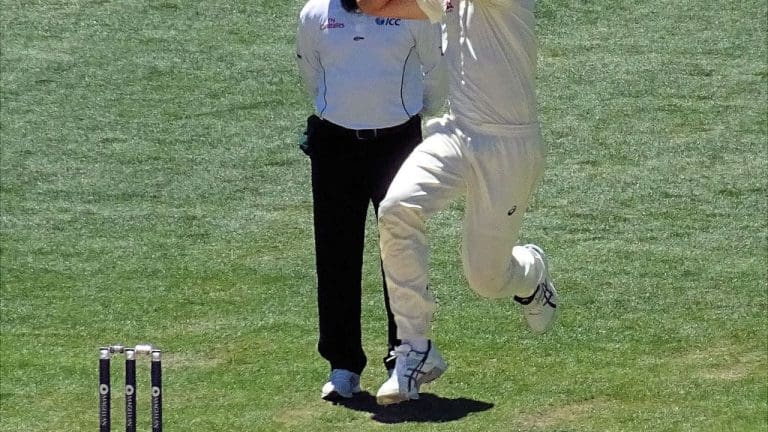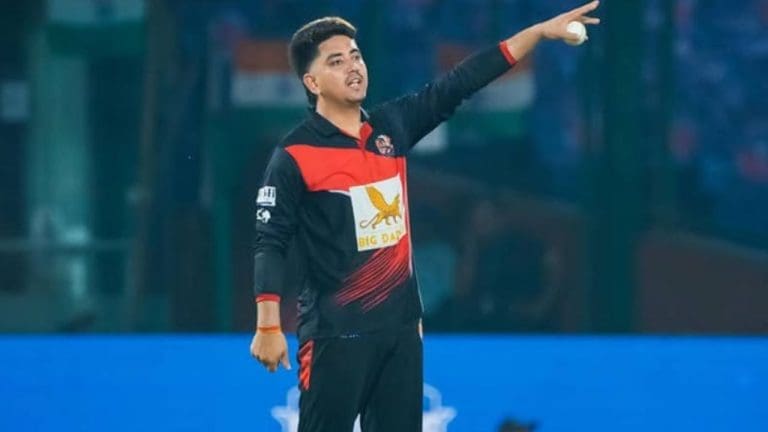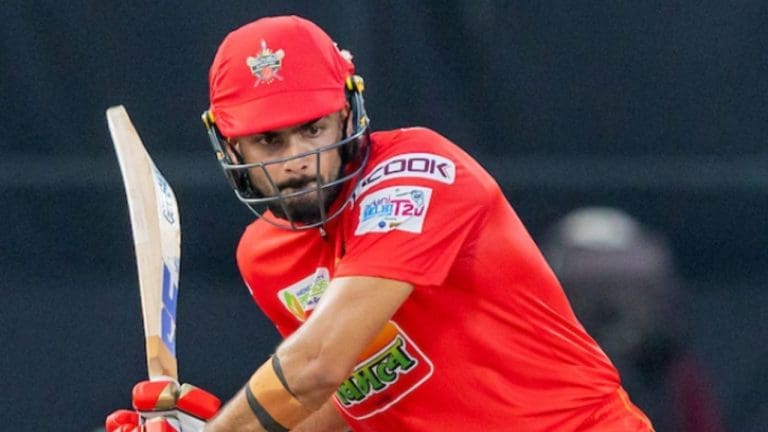
In cricket, a free hit is awarded after a bowler delivers a no-ball. The next delivery allows the batsman to score without the risk of being out in most ways.
Understanding the free hit helps to grasp the strategic nuances of cricket. This rule encourages bowlers to adhere strictly to pitching regulations, as any no-ball can lead to potentially costly consequences on the subsequent delivery.
It adds excitement for spectators, as batsmen typically use the free hit to attempt aggressive shots without the fear of losing their wicket, except by being run out.
Introducing the free hit in limited-overs cricket, particularly T20 matches, has significantly increased the stakes for bowlers while providing an entertaining spectacle for fans.
By rewarding the batting team with a virtual ‘free swing,’ cricket further balances the contest between bat and ball, ensuring a continuously engaging and dynamic sport.
The Essence of a Free Hit
A free hit in cricket offers the batsman a second chance. This rule comes into play after a no-ball.
Batsmen cannot be dismissed in usual ways on a free hit. Only a runout hitting the ball twice or obstructing the field can cause a dismissal.
The idea grew from limited-overs cricket to increase excitement. It pushes bowlers to be more accurate, and batsmen can be risk-taking and aggressive.
During free hits, spectators often witness big shots and thrilling moments. Thus, the game’s pace intensifies, attracting fans to cricket’s shorter formats.
Breaking Down the Free Hit Rule
The Free Hit is a cricket rule. It gives a second chance to the batsman. If the bowler bowls a no-ball, a Free Hit happens next. No-balls are errors by a bowler. There are many types, like overstepping the crease.
During a free hit, the batsman cannot be out in most ways. Out in the usual ways, like caught, is not valid.
But some ways still get you out, such as running out or hitting the ball twice on purpose. Batsmen must know these rules to avoid losing their wicket.
These rules make cricket exciting for players and fans. They ensure that mistakes don’t hurt too much.
Batsmen look forward to these changes. They can hit big shots without fear, which is important for a good cricket game.
Fielding Team’s Perspective
A free Hit in cricket is a penalty against the fielding team. The fielding team cannot change any fielders’ positions if the batter hasn’t been out, except if two batters crossed while a no-ball was being delivered.
The Fielding team must follow these placement constraints. The bowler must think differently about their strategy. They may try a different type of ball or aim for an unusual pitch area.
No player may move significantly before the bowler’s delivery stride to ensure a fair chance for the batter. Bowlers often use variations such as slower balls or yorkers.
These can surprise the batter on a Free Hit. It’s still possible to get a batter out, but only in certain ways, like a run-out, hit wicket, or obstructing the field.
Advantages of the Batting Side
The concept of a Free Hit significantly lowers the risk for a batsman. It allows them to play without fear of losing their wicket.
A no-ball triggers a Free Hit. The next delivery promises that the batsman cannot be dismissed in most ways.
Batsmen can take advantage of this rule. They often attempt daring shots to score more runs, and big hits like sixes and fours are more common.
This opportunity to score can change the game. Teams can pile up runs quickly during Free Hits, creating excitement for fans and players.
From the Umpire’s View
In cricket, a free hit is a key for the batting team. After a no-ball, this rule applies. The next ball becomes a free hit.
Batsmen can’t get out in the usual ways on this ball. For example, they can’t be caught out, bowled, LBW, or stumped.
The umpire signals a free hit by circulating their index finger above the head. This tells everyone a free hit is coming. The bowler must not change their run-up for this ball.
The fielding team cannot change field placements if the same batsman is on strike. All eyes are on the batsman to score big without the fear of getting out.
Fair play is central in cricket, and the free hit rule maintains balance between bat and ball. It penalizes the bowler for their mistake but allows them to recover on later deliveries.
Historical Evolution of the Free Hit
The Free Hit in Cricket originated in 2007. The International Cricket Council (ICC) introduced it to make the game more exciting.
In a Free Hit, the batsman cannot be out in most ways on the next ball after a bowler’s no-ball.
This change aimed to punish bowlers for their mistakes. Over the years, the rule has undergone several amendments.
Originally, the Free Hit was only for front-foot no-balls. Later expansions included all types of no-balls.
Umpires signal a Free Hit by circulating their arm. It is now an integral part of limited-overs cricket, including One Day Internationals (ODIs) and Twenty20 (T20) games.
Analysing High-pressure Scenarios
Understanding the free-hit rule in cricket reveals its impact during tense moments. A free hit offers a chance to score without fear of getting out. This rule applies immediately after a bowler delivers a no-ball.
Batsmen look forward to these opportunities, especially in crucial matches where each run counts. Teams often leverage these moments to tilt the game in their favor.
Examples of unforgettable free hits showcase the rule’s significance. A batsman hits hard, knowing there’s no risk of losing their wicket. Spectators remember how such a play can change the game’s fate.
Global Reception and Future Prospects
The free hit in cricket has gained wide international acceptance. Found in cricket rules, it spices games up. Teams from all major cricketing nations acknowledge its impact.
This rule rewards batsmen after a bowler’s no-ball. The next delivery becomes a free hit. Here, batsmen can’t get out in most ways.
Cricket authorities often debate rule changes. The free hit is no different. Some suggest it balances bat and ball. Yet, others see a need for adaptation.
As cricket evolves, so may the free-hit rule. Fans watch closely and are keen on future tweaks. The objective? To keep cricket fair and exciting.