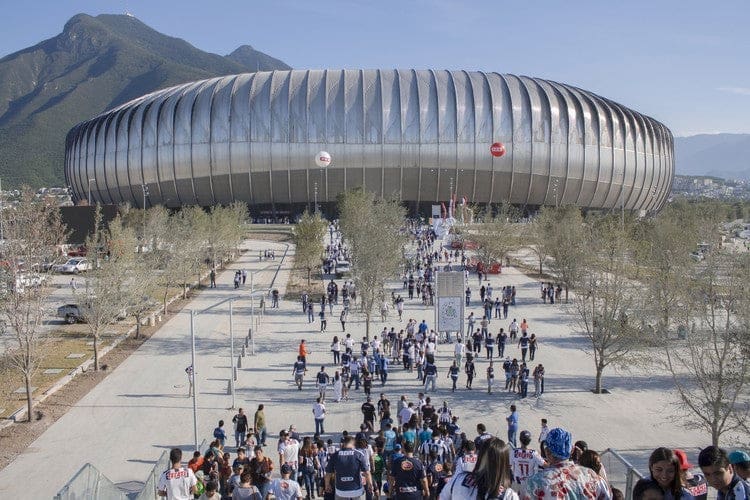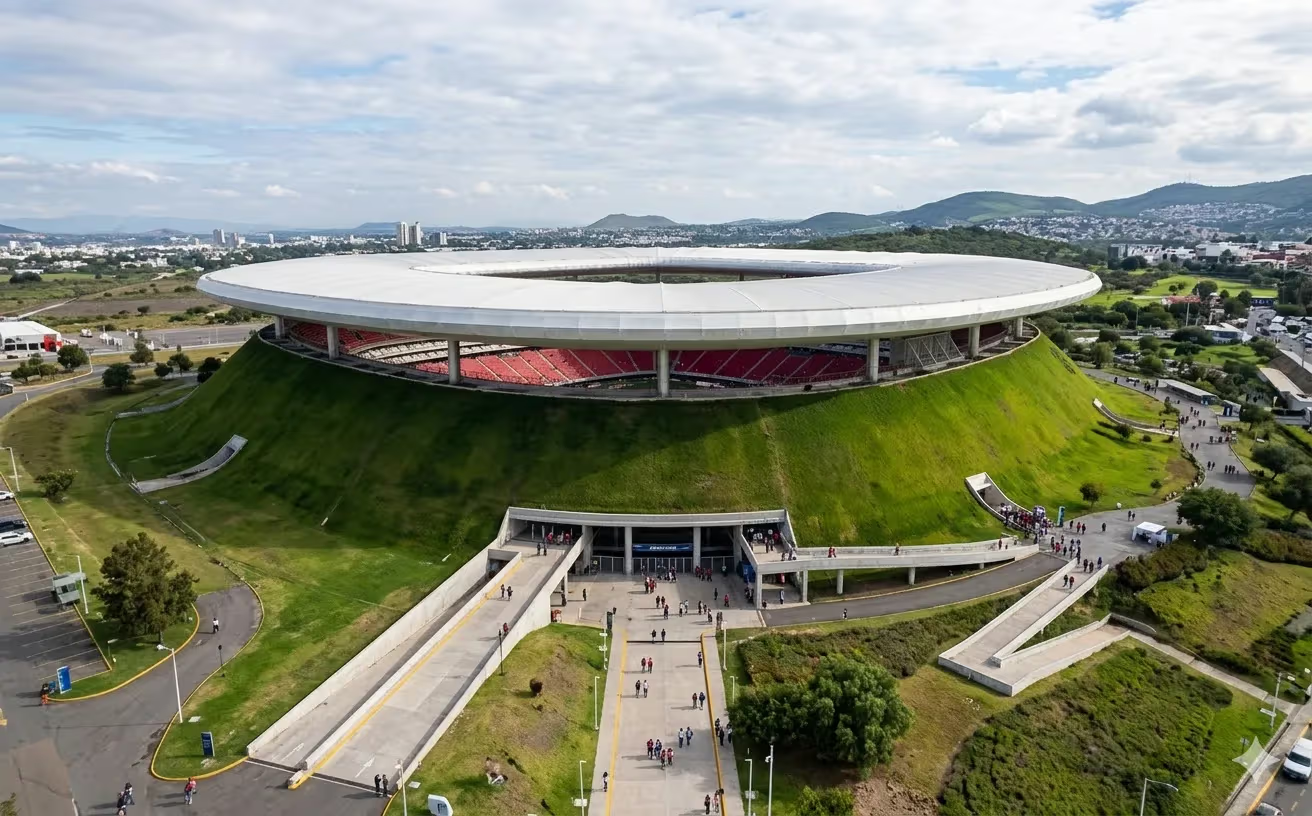
You’ve got tickets to a match at Estadio Akron and need to figure out how to get there. The stadium sits in Zapopan on Guadalajara’s western edge, about 15 kilometers from the city center. Getting there takes some planning, but you’ve got several solid options.
The good news? Multiple transportation methods work, from public buses to ride-sharing. The catch? Post-match crowds can overwhelm any system, so having a backup plan matters.
Bus Routes Serving the Stadium
Several public bus lines run to Estadio Akron from different parts of Guadalajara.
The closest bus stop sits about 450 meters from the stadium gates, roughly a 7-minute walk.
Main bus routes to the stadium:
- T02 – Starts service around 4:35 AM, runs throughout the day
- T01 – Operates until midnight for late-night coverage
- C109-A – Connects through Ciudad Judicial station
- A12 – Services the stadium area with regular frequency
- TALA POR COLÓN – Alternative route during peak hours
- TVT POR COLÓN – Backup option when other routes are full
Fare runs around 10 pesos per ride on standard buses. When match day traffic hits, expect buses to fill up fast. Plan to arrive at least 90 minutes before kickoff if you’re taking the bus.
Most buses connect through major transfer points like UVM and Ciudad Judicial stations. From downtown Guadalajara, you’ll typically transfer once to reach the stadium area.
Mi Macro Periférico BRT System
Your best public transit option is the Mi Macro Periférico BRT line with its Estadio Chivas station located near the stadium.
This bus rapid transit system uses dedicated lanes on the highway, avoiding regular traffic congestion.
The BRT delivers you within a 5-minute walk of the stadium entrance. Fare costs around 10 pesos, same as regular buses, but the service runs more reliably with better frequency.
During match days, the BRT handles crowds better than standard buses because of its dedicated infrastructure. You won’t sit in traffic the same way cars do.
One traveler reported taking 8 minutes to reach San Juan De Ocotán station from the Estadio Chivas BRT stop, showing how efficient the system runs between points.
Light Rail Connection (Coming 2026)
Guadalajara’s light rail system, SITREN, currently operates three lines that don’t directly reach the stadium.
If you take TL-3 from Guadalajara Centro to Periférico Belenes station, you can then connect to the T02 bus for the final leg.
Total trip time runs about 75 minutes from downtown using the train-to-bus combination. Fare for this route costs around 14.25 pesos.
For World Cup 2026, new Mi Tren Lines 4 and 5 will provide direct connections from Guadalajara International Airport to the stadium area.
This rail expansion should significantly improve access for major events.
Uber and Ride-Sharing Services
Both Uber and DiDi operate throughout Guadalajara.
From downtown to Estadio Akron costs approximately 100-180 pesos under normal conditions, roughly $6-11 USD depending on traffic and time of day.
| Route | Normal Fare | Travel Time | Notes |
| Downtown Guadalajara to Stadium | 100-180 pesos ($6-11 USD) | 15-20 minutes | Base pricing, no surge |
| Airport (GDL) to Stadium | 250-350 pesos ($15-20 USD) | 30 minutes | Via Periférico toll road |
| Post-Match (Surge Pricing) | 200-360 pesos ($12-22 USD) | 25-40 minutes | 2x-3x normal rates |
Match day changes everything. Surge pricing kicks in hard after games end, sometimes doubling or tripling normal fares.
One smart strategy: have your driver drop you on the Periférico side of the stadium to avoid the worst entrance congestion.
After matches, mobile data connections often fail inside the stadium because thousands of people flood the network simultaneously.
Request your ride before leaving your seat, or walk 10-15 minutes away from the stadium before trying to book. You’ll get better connection and avoid surge zones.
Traditional Taxis
Licensed taxis operate throughout Guadalajara, but you’ll want to stick with official registered cabs.
The airport has a designated taxi stand with fixed-rate service to various destinations.
After matches, you’ll hear people whispering “taxi, taxi” in the parking lots. These unlicensed operators should be avoided, despite the convenience. The risk isn’t worth the slightly cheaper fare.
Regular taxi fares run similar to Uber base rates, around 100-150 pesos from downtown to the stadium during normal hours. Always confirm the price before getting in, or ensure the meter is running.
Driving and Parking at the Stadium
Estadio Akron operates expansive surface lots with over 4,800 general parking spaces, plus 79 accessible spaces and 780 subterranean spaces tied to premium seating.
A dedicated bus parking area handles up to 60 buses during major events.
Parking options and costs:
- Official Stadium Parking – 250-500 pesos, slow exit after matches
- Residential Street Parking – 50-100 pesos cash, limited availability
- Accessible Parking – 79 designated spaces, book early
- Premium/Suite Parking – 780 subterranean spaces, suite holders only
The problem with driving? Post-match traffic crawls. Some experienced visitors recommend leaving events slightly early or planning extended post-match activities inside the stadium to let traffic dissipate.
Event operations can adjust traffic routes on Circuito JVC, the main road surrounding the stadium. Arrive early and follow staff directions for the smoothest entry.
For World Cup 2026 and other major events, the club sometimes operates Park & Ride shuttles from designated city points with dedicated lanes.
Check the venue’s official advisory before the event to see if this service is active.
Transportation Comparison
| Option | Cost | Travel Time | Best For | Avoid When |
| BRT (Mi Macro) | 10 pesos | 20-30 min | Budget travelers, avoiding traffic | You have heavy bags |
| Public Bus | 10 pesos | 30-45 min | Very tight budget | Running late |
| Uber/DiDi | 100-180 pesos | 15-20 min | Convenience, groups of 3-4 | Post-match surge pricing |
| Taxi | 100-150 pesos | 15-25 min | When ride apps fail | You need receipts |
| Driving/Parking | 250-500 pesos | 15-20 min + exit time | Groups, tailgating | Major matches, unfamiliar with area |
FIFA World Cup 2026 Shuttles
When World Cup matches happen in June 2026, FIFA will operate official shuttle buses from multiple collection points across Guadalajara.
These dedicated services should handle the massive crowds better than regular transit.
For World Cup dates, all accommodation prices jump significantly, and transportation demand spikes. Book everything early and have multiple backup plans.
FAQs
How much does transportation to Estadio Akron cost?
Public buses and BRT cost around 10 pesos per ride. Uber from downtown runs 100-180 pesos normally, but surge pricing after matches can double that. Stadium parking costs 250-500 pesos depending on the event.
Which is the best way to reach Estadio Akron?
The Mi Macro Periférico BRT to Estadio Chivas station offers the best balance of cost and reliability. It avoids traffic jams and drops you a 5-minute walk from the gates. For convenience, Uber works well if you avoid peak surge times.
Can I walk to Estadio Akron from downtown Guadalajara?
No. The stadium sits over 15 kilometers from central Guadalajara, making walking impractical. You need motorized transportation to reach the venue.
Does Estadio Akron have accessible parking?
Yes. The stadium provides 79 designated accessible parking spaces in the general parking areas, plus accessible spaces in the subterranean garage. Book these spots early as capacity is limited, especially for major events.
What time should I arrive before a match?
Arrive at least 90 minutes before kickoff, or 2-3 hours for major international matches. Security screening takes significant time during high-attendance events, and traffic builds up as game time approaches.