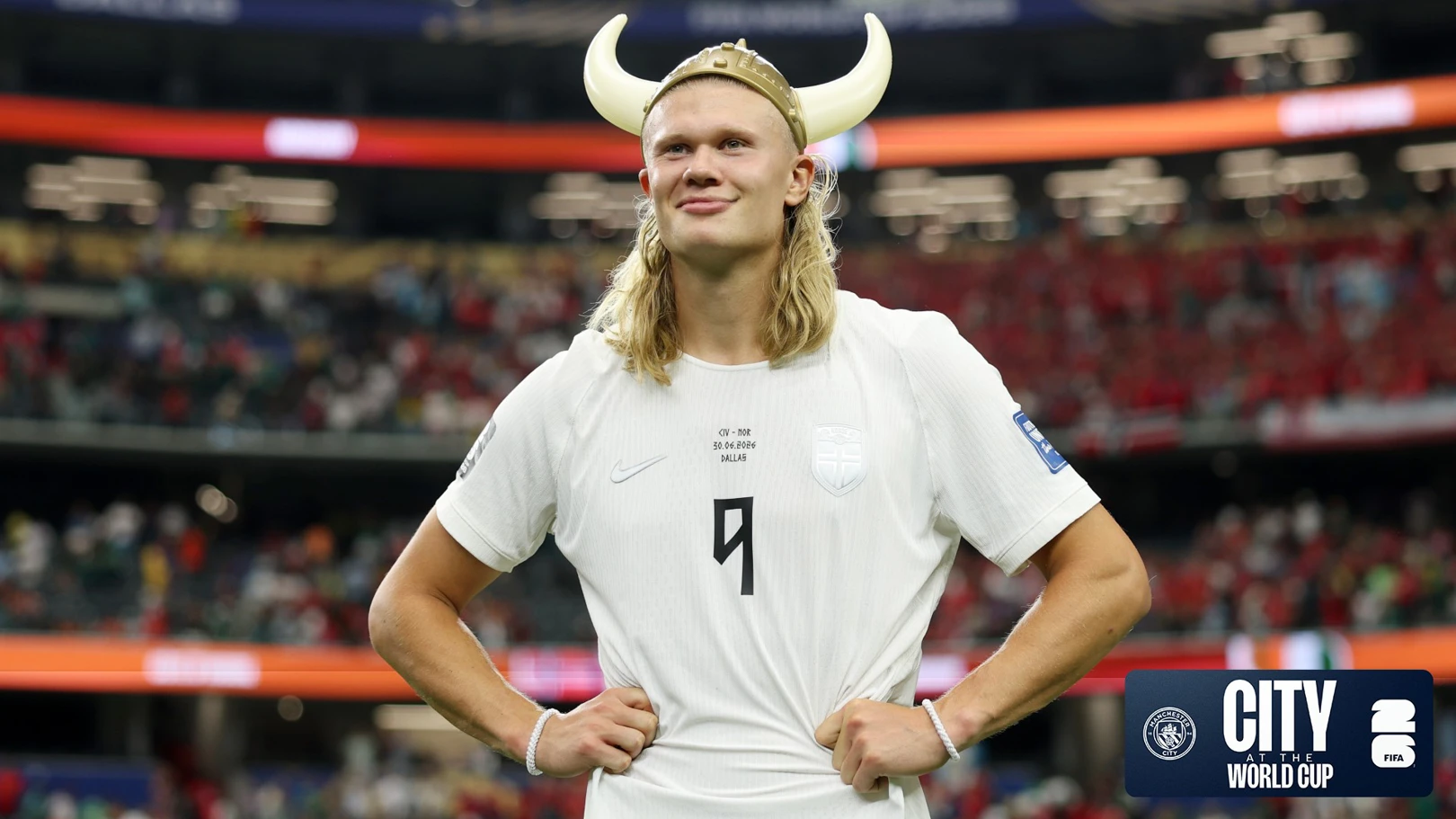
England remain the shorter-priced side, but this quarterfinal is not reading like a routine favourite’s match. Norway arrive in Miami with Erling Haaland on seven tournament goals, including two in the previous round against Brazil.
The market context around options like https://1xbet.ie/en now has a sharper football problem to process: England carry the stronger overall profile, while Norway carry the tournament’s hottest striker.
That gap between squad depth and finishing form is exactly why the July 11 match has become one of the most interesting betting reads of the final eight.
England lead the market, but not the story
The July 9 snapshot listed England around -119 to win, with Norway around +315 and the draw near +264. That makes England the clear market favourite in 90 minutes. It does not make the match simple.
The moneyline-based likelihood placed England at 51% and Norway at 23%. Those numbers leave space for a drawn result, which matters in a quarterfinal.
Knockout matches often separate “better team” from “team that advances” because extra time can change the reading after 90 minutes.
England’s case is built on tournament pedigree and attacking quality. Harry Kane has scored six goals before this match, while Jude Bellingham has grown into the event. The issue is balance.
Defender Jarell Quansah is unavailable, leaving a specific selection problem on the right side of defence.
Haaland changes Norway’s market profile
Norway are still outsiders, but Haaland gives that outsider price a different texture. Seven goals at a World Cup is not background form.
It forces markets to account for a player who can turn a quiet game with one touch.
His two goals against Brazil did more than move Norway into the quarterfinal. They changed the way the next opponent has to be measured. A side can control territory and still remain exposed if the striker waiting on the last line is finishing at that rate.
Norway have also leaned into the underdog role. That matters for match reading, not as a motivational story, but because it affects the likely shape of the game. England may have more possession. Norway may not need much of it.
| Market snapshot | Listed number | Practical reading |
| England to win | around -119 | Favourite inside 90 minutes |
| Norway to win | around +315 | Outsider with a clear scoring route |
| Draw | around +264 | Extra-time path remains relevant |
| Total goals line | 2.5 | Market sits between control and threat |
| England win likelihood | 51% | Shorter price, not a certainty |
| Norway win likelihood | 23% | Lower rating, still live in one match |
The 2.5 line shows the tension
The goals line is set at 2.5, which fits the uncertainty. England can slow a match through possession and field position. Norway can make that reading look outdated if Haaland finds space early.
A low-scoring match would likely suit England if they manage the first hour cleanly. It would also keep Norway close enough to make every transition matter.
A higher-scoring match brings a different problem: England may have more attacking routes, but Norway’s main finisher is already operating at elite tournament pace.
That is why the total is not just a side note. It is the clearest expression of the match’s split identity. England’s market position points one way. Haaland’s form pulls the conversation in another.
Qualification markets need a separate reading
The 90-minute line is only one layer. Qualification markets would ask a different question: which team reaches the semifinal by any route.
That distinction matters because the draw price is not small enough to ignore.
If the match remains level late, England’s deeper tournament experience may become part of the reading. Norway’s route would depend on staying compact and keeping Haaland close enough to the final action. Neither path requires dominance.
For bettors comparing markets, the central detail is not whether England are stronger on paper.
The central detail is whether the listed price fully accounts for the striker on the other side. A team can be favourite and still have one matchup that makes the number feel exposed.
Miami leaves little room for soft assumptions
The match sits inside the final-stage calendar, where one mistake can erase weeks of good work.
England’s shorter price reflects quality and expectation. Norway’s longer price reflects the size of the task.
The catch is Haaland. He has already changed one heavyweight tie with two goals. If England keep him quiet, the market view will look logical. If he scores early, the quarterfinal turns into a very different calculation.
That is why this game feels less like a standard favourite-versus-outsider meeting. It is a test of whether England’s broader strength can hold its value against the most direct scoring threat left in the bracket.
RELATED ARTICLES