The weight a fighter sheds in the final 48 hours before a weigh-in is water, and water returns.
A professional mixed martial artist can drop 11 to 16 pounds in those two days through sweat, sodium restriction, and water manipulation, then step on the scale dehydrated by design.
What happens in the hours after that scale reading decides if the fighter walks into the cage restored or compromised. The cut is the famous part. The rehydration is the part that determines the outcome.
The State a Fighter Reaches at the Scale
A weight cut works by emptying the body of fluid it normally holds. Sodium restriction and water loading trigger heavy urination, which strips water in the last days before weigh-in.
Depleting carbohydrate stores removes more, since each gram of stored glycogen binds roughly 3 grams of water.
By the time a fighter makes weight, total body water can be down several percent, and that deficit carries real cost: reduced blood volume, higher heart rate, impaired temperature control, and slower reaction time.
The body at the scale is not a body ready to fight. Research on combat athletes puts a safe ceiling on the cut at roughly 3% to 5% of body mass paired with at least 24 hours to recover, yet many fighters exceed that range, which raises the stakes on everything that follows the weigh-in.
The Rehydration Window
Most athletic commissions schedule the weigh-in 24 to 36 hours before the bout, and that gap is the entire recovery budget.
The 2025 International Society of Sports Nutrition position stand on combat sports recommends starting oral rehydration solutions at 1 to 1.5 liters per hour immediately after the fighter leaves the scale.
The target is to regain at least 10% of body mass before competition. A fighter who cut 4 pounds is often advised to take in close to 6 liters of fluid across the following day, roughly 1.5 times the weight lost, because not all of what is consumed is retained.
The gap between fluid swallowed and fluid kept is the reason the target overshoots the deficit, and a fighter who measures only the scale can be fooled into thinking the job is done.
Why Plain Water Falls Short
Drinking water alone after a hard cut is a mistake fighters learn to avoid. Sweat and urine carry out sodium and potassium, and replacing the fluid without the minerals dilutes blood sodium further, which can leave a fighter weak and lightheaded even as the scale weight climbs back.
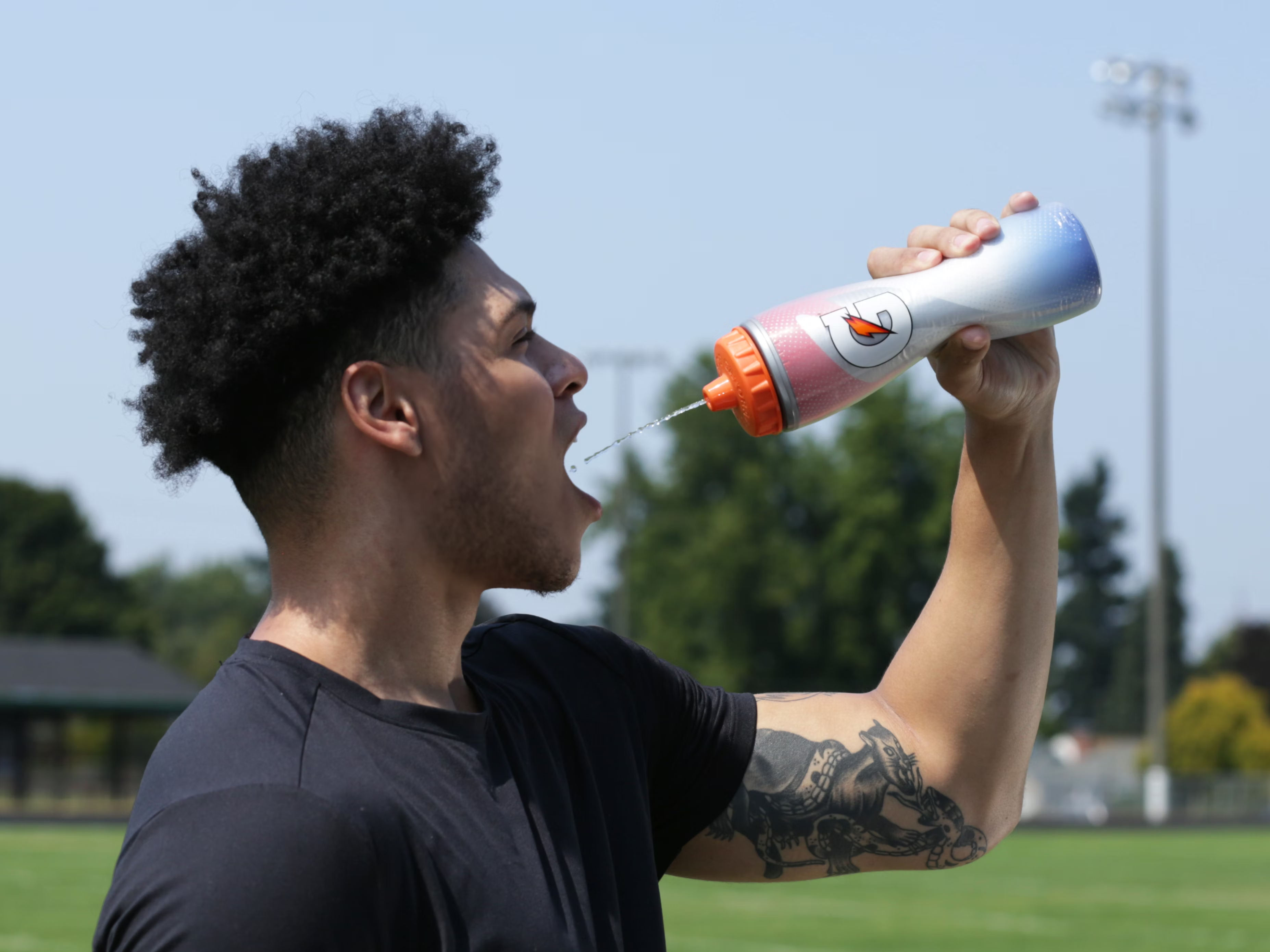
Effective protocols pair fluid with electrolytes, and a measured dose of an electrolyte powder for hydration mixed into water is one common way corners hit the sodium target of 50 to 90 mmol per liter the research calls for.
The mineral content is what lets the body hold the fluid it takes in.
Refueling the Glycogen Stores
Fluid is only half the recovery. The carbohydrate stripped during the cut has to come back, because glycogen carries water into the muscle and restores the cell volume a fighter needs for power.
Position-stand guidance puts fast-acting carbohydrate intake at up to 60 grams per hour, layered in once the oral rehydration solution is already underway.
Rice, fruit, sports drinks, and simple starches do the work. As glycogen rebuilds, it pulls water with it, so the fluid and the carbohydrate reinforce each other across the recovery day.
A fighter who drinks well but eats nothing leaves the muscle half-restored, flat and weak under load even with the scale weight back. The carbohydrate is what turns regained fluid into usable power.
The Role of Sodium in Holding Fluid
Sodium is the mineral that decides if the water stays. A fighter who floods the system with plain water passes most of it as urine within an hour, which is the opposite of the goal.
Adding sodium raises the body’s drive to retain fluid and stimulates thirst, keeping the recovery moving, and it guards against the low blood sodium of exercise-associated hyponatremia.
This is why corners favor salted broths, oral rehydration mixes, and sodium-rich foods in the hours after the cut. A bowl of salty soup does more for fluid retention than a liter of plain water, a fact that surprises fighters new to the science.
The number on the scale matters less than how much of that regained weight is fluid the body has actually held in the blood and muscle.
What the Banned Shortcut Tells Us
Intravenous infusions were once the fastest route back, and several major promotions have banned them for exactly that reason.
The ban forces fighters back onto the gut, which absorbs fluid more slowly and caps how fast a body can recover.
That constraint is the clearest evidence of why the oral protocol matters: when the shortcut is gone, the rate at which the intestine takes up water and sodium becomes the ceiling on recovery, and pacing the intake to that ceiling is the whole skill.
Drinking faster than the gut absorbs only produces more urine. The lesson cuts against panic: a fighter behind on the scale cannot fix the shortfall by gulping harder, since the intestine sets the pace no matter how fast the water arrives.
Does the Regain Win Fights
Bigger is not automatically better, and the data complicates the common assumption. Studies tracking post-weigh-in weight regain in professional cohorts have repeatedly found that the fighters who put the most weight back on do not reliably win more often.
The finding cuts against cage-side folklore, which treats a heavier rehydrated walk-around weight as a decisive edge.
What seems to matter is the quality of the recovery, how completely blood volume, glycogen, and electrolyte balance are restored, more than the raw size of the rebound.
The Practical Sequence
The recovery a fighter runs after the scale follows a fixed order. Fluid with sodium goes in first and steadily, paced to what the gut can absorb.
Carbohydrate follows once fluid uptake is underway, rebuilding the glycogen and the water it carries. Electrolytes thread through the whole window to keep the body holding what it takes in.
Done well across 24 to 36 hours, the process undoes the mild dehydration that dulls reaction time and judgment, and returns the body to fighting condition.
Done poorly, it leaves a fighter who made weight but never came back, which is the quiet reason many cuts end badly long before the cage door closes.
RELATED ARTICLES