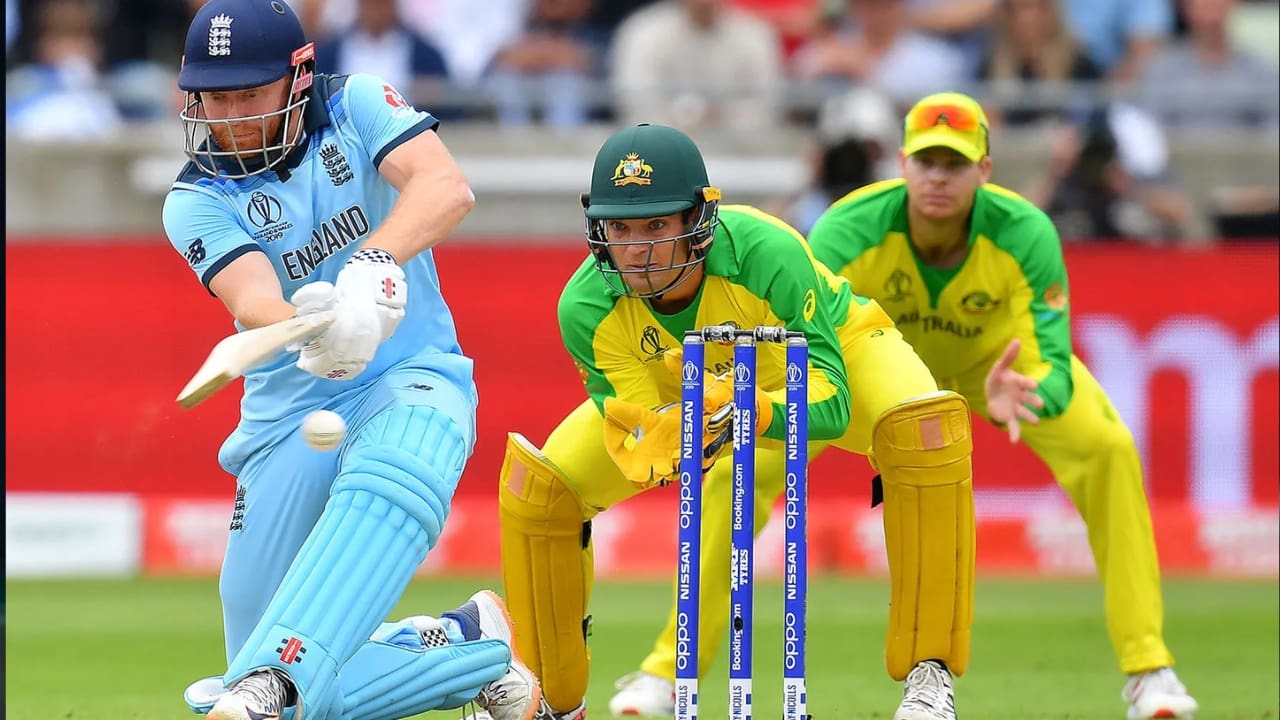
To calculate economy in cricket, divide the runs conceded by the number of overs bowled. This gives the runs per over.
The economy rate is a crucial metric for bowlers in cricket. It measures the average number of runs a bowler concedes per over.
A lower economy rate indicates better performance, as it shows the bowler is giving away fewer runs while bowling.
This statistic helps coaches and analysts assess a bowler’s efficiency. It also influences team strategy and player selection. Consistently maintaining a low economic rate can significantly impact the game’s outcome.
Fans and commentators often discuss economy rates to highlight standout performances. Understanding this metric adds depth to appreciating the sport.
Introduction to the Cricket Economy
Cricket economy measures a bowler’s efficiency. It shows the average runs given per over. This is important in both Test and limited-overs cricket. Bowlers aim to keep their economic rate low.
The economy rate helps teams control the game’s pace. A low economy rate means fewer runs scored, which puts pressure on the batting side. The economy rate is a key part of a bowler’s skill set.
Teams use economic rates to plan their strategies. The economic rate affects the game’s outcome, and a high economic rate can be costly.
Bowlers with low economic rates are valuable assets. They help win matches by limiting runs.
Basics of Cricket Scoring
Runs are points scored by the batting team. Players score runs by hitting the ball and running between the wickets. Overs consist of six deliveries bowled by a bowler.
The number of overs helps track the game’s progress. Every over is crucial in determining the match’s flow.
Bowlers aim to limit the runs scored by batsmen. The economy rate measures a bowler’s efficiency.
It is calculated by dividing the total runs conceded by the bowler by the number of overs bowled. A lower economy rate means the bowler is more effective.
Economy Rate Explained
The economy rate shows a bowler’s efficiency. It’s calculated with a simple formula: divide the total runs conceded by the total overs bowled.
For example, if a bowler gives 60 runs in 10 overs, the economy rate is 6. This means the bowler gives 6 runs per over. It’s an important metric in cricket.
A good economy rate depends on the match format. In Test cricket, an economy rate below 3 is excellent. For One Day Internationals (ODIs), anything below 4.5 is good.
In T20 matches, a rate below 7 is considered impressive. A lower economic rate indicates better bowling performance, so bowlers aim to keep their economic rate low.
Factors Affecting a Bowler’s Economy
The pitch can be dry or wet. A dry pitch helps spin bowlers, and a wet pitch helps fast bowlers.
The bounce of the pitch can also change. High-bouncy pitches help fast bowlers, and low-bouncy pitches help spin bowlers.
The grass on the pitch can also matter. Green pitches help fast bowlers, and bare pitches help spin bowlers.
Fast bowlers use speed to trick batsmen. They bowl short or full balls. Short balls can scare batsmen, and full balls can swing more.
Spin bowlers use turns to confuse batsmen. They vary their speed and angle. A good strategy results in fewer runs, and a bad strategy results in more runs.
Analyzing the Economy in Different Formats
Bowling economy means how many runs a bowler gives in each over. In T20 cricket, bowlers must keep runs low. They bowl only four overs, and the game is fast, so economy rates are critical.
In ODI cricket, bowlers get ten overs. They must balance between taking wickets and stopping runs. In Test matches, bowlers can bowl many overs. They focus more on taking wickets.
Bowlers must adapt their strategies based on the format. In T20s, they use variations like slower balls. In ODIs, they mix line and length.
In Tests, bowlers focus on consistency and stamina. Understanding the format helps bowlers succeed, and they must practice different skills for each format.
Improving Bowling Economy
Calculating economy in cricket involves dividing the number of runs conceded by the number of overs bowled. This metric helps assess a bowler’s efficiency in limited runs.
Training Tips for Bowlers
Focus on bowling consistently in good areas. Practice line and length every day. Vary your pace to trick the batsman. Always aim for the stumps. Try to bowl more dot balls. Fitness is crucial for good bowling.
Exercise regularly to stay fit. Work on your strength and stamina. Watch videos of good bowlers and learn from their techniques.
Mental and Tactical Adjustments
Stay calm under pressure. Always believe in your skills. Think about your field placements. Discuss tactics with your captain. Visualize your bowling plan before the match.
Stay focused on each ball. Adapt your strategy based on the batsman. Be patient for wickets. Adjust your length on different pitches. Learn from your mistakes.
Economy Rate in Match Strategy
The economy rate plays a crucial role in cricket strategy. It measures the average runs conceded per over by a bowler.
It is calculated by dividing the total runs conceded by the number of overs bowled. An accurate economy rate helps teams manage their bowling resources effectively.
Setting Field Placements
Setting field placements is crucial in cricket. Bowlers need support from their fielders, and captains must place fielders wisely. Good field placements can save runs and create pressure on the batsmen.
Strategic placements help get wickets, which is very important in tight matches. Fielders need to stay alert and follow the captain’s instructions closely.
Effective communication is key between the captain and fielders. Good field placements make a big difference.
Captains and Bowlers: A Tactical Partnership
Captains and bowlers need to work together. This partnership is vital for success. Bowlers should share their plans with the captain.
Captains provide guidance and set the field accordingly. They also need to boost the bowler’s confidence.
Good communication can lead to better performance. A strong partnership helps in controlling the game.
They can adjust strategies based on the match situation. Trust and understanding between them are essential. This helps in achieving the team’s goals.
Great Economical Bowlers in History
Great bowlers have always had low economy rates. These bowlers control the game. They limit the runs scored by the batsmen.
For example, Glenn McGrath’s economy rate in ODIs was 3.88. His accurate bowling made it hard for batsmen to score.
Another legend is Muttiah Muralitharan. He had an economy rate of 3.93 in ODIs, and his spin bowling confused many batsmen.
Shaun Pollock is also known for his economy. He managed an economy rate of 3.67 in ODIs. His consistent line and length were key factors.
Young bowlers can learn a lot from these legends. Watching their techniques can improve your bowling.
Practice maintaining a good line and length. This will help in keeping your economy rate low. Focus on accuracy rather than speed.
Using Economy Rates in Fantasy Cricket
Picking bowlers with low economy rates can help your fantasy team. The economy rate is the number of runs a bowler concedes per over.
Bowlers who give away fewer runs are more valuable, and such bowlers often take more wickets.
Choose bowlers who balance low economy and high wicket-taking ability. This strategy can boost your team’s points.
Fantasy cricket platforms often give points based on economy rates. A good economy rate can earn you bonus points. Check the scoring rules of your fantasy league before selecting players.
Points for economy can vary from platform to platform. Selecting bowlers with consistent performances can be a game-changer.
Conclusion: The Art of Mastering Economy
Cricketers must focus on their economic rate. It helps them bowl better. Analyzing past performances is crucial. Players can find their weak points.
Coaches provide feedback on these areas. Practice sessions must be planned. Players work on specific skills.
This helps reduce runs per over, making bowlers more effective. Matches are won with good economy rates, and fans and teams appreciate bowlers with low economy rates.
Economy rate influences match results. Teams with better economies often win. Bowlers with low economies give fewer runs, increasing the chance of winning.
Pressure builds on the batting side. They find it hard to score runs, and partnerships are broken more easily.
Captains rely on bowlers with good economies, who are trusted in crucial moments. Winning games requires good economic rates.