The conversation around cs2 skins in 2026 is no longer limited to aesthetics or in-game identity. These items have become part of a broader digital marketplace shaped by shifting demand, cultural signals, and timing.
What makes the current landscape notable is not just which skins are popular, but how quickly attention moves between them.
The market behaves less like a static catalog and more like a constantly adjusting system influenced by both players and external factors.
A Market Defined by Movement
Unlike traditional digital goods, CS2 skins operate within a feedback loop of visibility and desirability. When a particular item gains exposure—whether through professional matches, streaming content, or community discussions—its demand can increase almost immediately.
This responsiveness creates a market where trends form quickly and, just as often, fade just as fast.
In 2026, this pattern has become more pronounced. The speed at which players react to new content or emerging preferences means that holding a skin is often a temporary decision.
Items move through inventories more frequently, and trading activity reflects that increased pace. As a result, value is closely tied to relevance at any given moment.
What Drives Skin Popularity
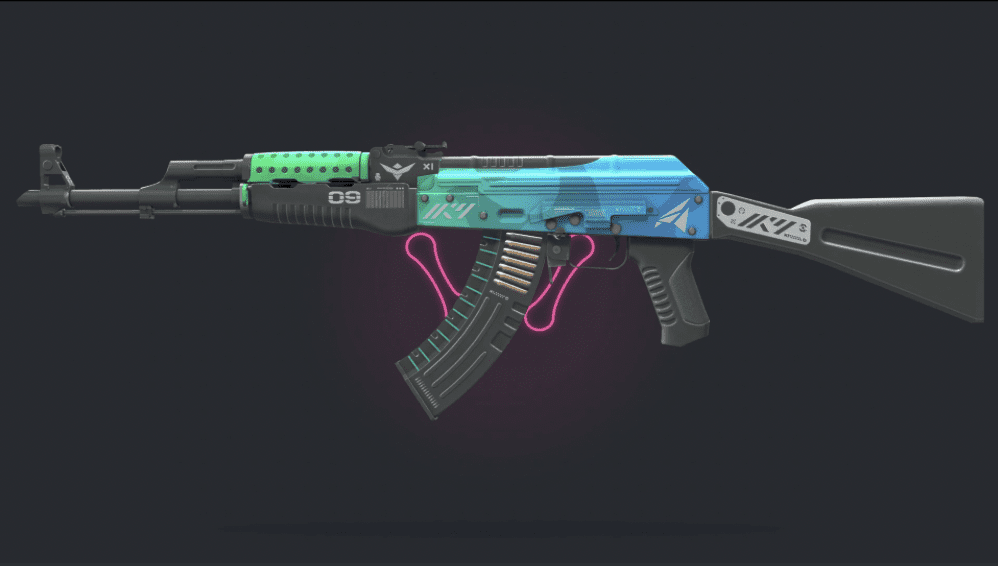
Several factors influence which skins gain traction, but they rarely operate in isolation. Visual design remains important, especially for items that stand out without overwhelming the base weapon model. Subtle, clean aesthetics often hold their value longer because they appeal to a wider audience.
Rarity still plays a central role, though its impact depends on context. A rare skin with limited appeal may struggle to maintain demand, while a more common item tied to a popular weapon can see consistent activity. This balance between scarcity and usability shapes how prices evolve over time.
Another driver is association. Skins featured in high-profile matches or used by well-known players tend to attract attention. Even without formal endorsements, visibility alone can influence perception, turning certain items into short-term trends.
Pricing Without Stability
The pricing structure in 2026 reflects a market that rarely settles. Instead of fixed ranges, most skins exist within fluid boundaries that adjust based on recent transactions and perceived demand. This makes pricing more reactive than predictive.
For participants in the market, this means that evaluating value requires context. A skin’s price is not just a number—it is a snapshot of current sentiment.
When interest increases, prices can rise quickly, sometimes without any fundamental change in the item itself. Conversely, a decline in visibility can lead to gradual depreciation.
Because there is no single reference point, users often rely on comparisons across listings and recent trades.
This decentralized approach allows flexibility but also introduces volatility, particularly for mid-tier items that sit between high demand and limited uniqueness.
The Role of Timing in 2026
Timing has always mattered in skin trading, but its importance has grown as the market becomes more responsive.
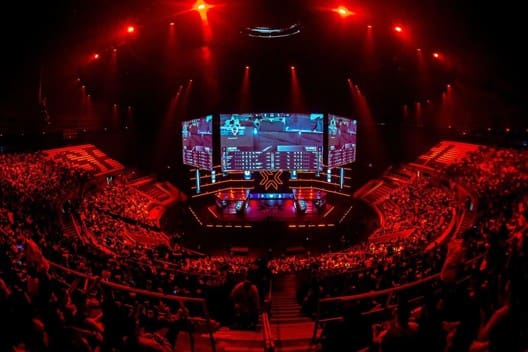
Events such as major tournaments, updates, or shifts in the competitive meta can influence which skins receive attention.
During these periods, certain items become more liquid. They are traded more frequently, often at slightly higher prices due to increased demand.
Outside of these windows, the same skins may require more patience to move, highlighting how closely activity is tied to external triggers.
This creates a pattern where experienced users pay attention not only to what they hold, but when they act.
Entering or exiting positions at the right moment can make a noticeable difference, even when dealing with relatively stable items.
Behavioral Patterns Among Traders
As the ecosystem matures, user behavior becomes more structured. One common approach is gradual upgrading—trading multiple lower-value skins for fewer, more desirable items.
This process reflects a shift from quantity to quality, driven by both personal preference and perceived stability.
Another pattern involves short-term positioning. Some users focus on capturing momentum, acquiring skins that are gaining attention and moving them before interest declines. This strategy relies on awareness and quick decision-making, as timing is critical.
There is also a segment of users who prioritize consistency over rapid movement. They focus on widely recognized skins with steady demand, accepting slower growth in exchange for reduced volatility. This diversity of approaches contributes to the overall balance of the market.
Platform Influence on Market Dynamics
Trading platforms continue to shape how users interact with skins. Interface design, transaction speed, and visibility of listings all influence decision-making.
A platform that simplifies exchanges can increase activity by reducing the effort required to trade.
At the same time, aggregation of listings provides a clearer picture of market conditions. Users can compare options more easily, which supports more informed decisions.
This transparency contributes to the fluid nature of pricing, as information is readily available and quickly acted upon.
Even subtle design choices—such as how items are categorized or highlighted—can shift attention toward specific skins. Over time, these micro-level influences accumulate, affecting broader trends.
Where the Market Is Heading
The trajectory of CS2 skins in 2026 suggests a continued move toward higher liquidity and faster cycles of demand. As more users engage with trading systems and platforms refine their tools, the market becomes increasingly responsive.
Rather than stabilizing, the ecosystem appears to be embracing its dynamic nature. Value will likely remain tied to visibility, usability, and timing, rather than fixed benchmarks. For participants, this means adapting to change rather than expecting consistency.
In practical terms, success in this environment depends on awareness and flexibility. The skins themselves may not change, but the context around them does—and that context ultimately determines how they are valued.
RELATED ARTICLES