The first serious 2026 World Cup prices tell you plenty about the pecking order of international football.
France and Spain sit together for most platforms, with England not far behind. The order won’t shock many. It reflects recent tournament evidence and deep squads.
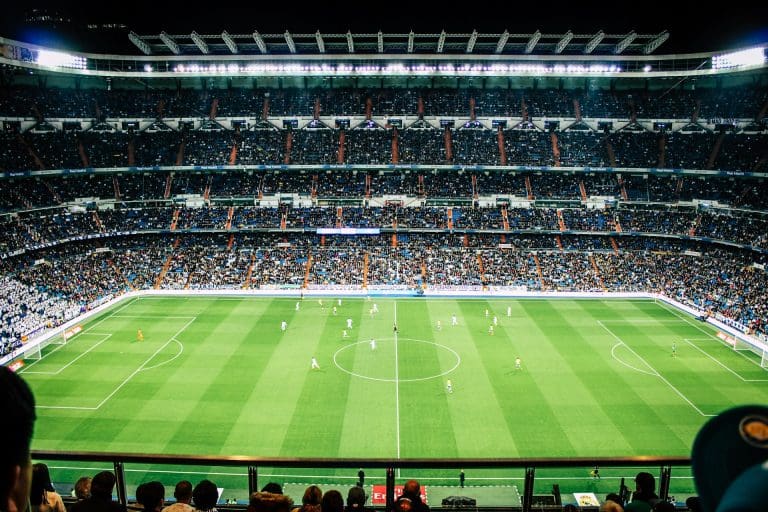
The tournament has changed shape too. The 2026 World Cup will feature 48 teams and 104 matches across the United States, Canada and Mexico, with the final set for July 19 at New York New Jersey Stadium.
A bigger field gives leading nations more room to settle into the event, but it also adds another knockout round. Squad depth has never mattered more.
World Cup betting bonuses can help readers compare early prices, but the terms carry the real value. Comparison sites like Covers gather offers, market rules and account details in one place, so users can check odds without opening every sportsbook page.
A Covers’ walkthrough of the Stake promo offer will appeal to football fans already scouting World Cup odds. It talks readers through eligibility rules and wagering terms in simple language that experts and newcomers alike will understand completely.
France Have The Strongest Recent Case
France sit near the top because of their pedigree. They were World Cup winners in 1998 and 2018, then runners-up in Qatar in 2022, only losing on penalties.
Kylian Mbappé gives France pace, finishing and experience on the biggest stage. Around him, Deschamps can choose from defenders and midfielders playing at the top end of European club football. That mix gives France more than one way to approach a tight match.
Spain Bring Form And Control
Spain beat England 2-1 in the Euro 2024 final, with Nico Williams named player of the match. The same game gave a clear view of their current identity: wide speed, central control and a team young enough to run the legs off an opponent.
FIFA’s latest ranking page, updated on April 1, 2026, placed France first and Spain second, with Argentina third and England fourth.
Rankings never settle a knockout game. They do show why markets treat Spain as more than a stylish pick. This side has recent tournament authority, and that carries weight before a ball gets kicked.
England’s Price Reflects Talent And Nerves
England’s argument starts with the names. Harry Kane gives the team a proven scorer. Jude Bellingham gives goals from midfield and a strong sense of command.
Declan Rice gives the side structure when the game becomes cagey. That core means England can look persuasive without needing every attacking player to have a perfect month.
The hesitation comes from history, as it usually does. England won the World Cup in 1966, but they’ve spent decades trying to turn strong squads into another final win.
The Route Will Change The Prices
The match schedule will move the market once full paths, travel plans and rest gaps come into view.
FIFA lists 104 fixtures across three host countries, which means the best squads will still need careful rotation.
A side that avoids long travel in the group phase may keep legs fresher. A side that gets tougher conditions may need its bench much sooner.
That makes futures betting a test of patience. A futures bet means a wager on an outcome that settles later, such as the tournament winner.
Early prices can look attractive because the market has less information. They can also tie up money before injuries, tactical shifts and squad calls become clear.
Venues Add A Practical Layer
The World Cup stadiums bring another set of details that can shape games. Reuters reported on May 4, 2026, that Miami’s Hard Rock Stadium must move from Formula One use to a World Cup pitch, with natural grass grown for installation before the tournament.
That sort of work sounds routine until a team wants the ball to move at a certain speed in June heat.
Venue conditions can suit different favourites in different ways. Spain may benefit when the pitch allows swift passing. France may welcome space if opponents tire.
England may trust set pieces and physical depth when games lose shape. None of that should become a shortcut for bettors. It gives context for why prices may move when venues and kick-off times become part of the calculation.
Squad Depth May Decide More Than Star Power
FIFA’s tournament rules allow squads of up to 26 players, with final lists due before the opening match. That helps nations with several options in the same position.
It also gives coaches room to carry one specialist full-back or another forward without cutting too close elsewhere.
For bettors, squad news deserves more attention than reputation. France can look strong on paper and still miss balance if a key midfielder arrives short of rhythm.
Spain can control long spells and still need one ruthless finisher. England can name a frightening attack and still face hard questions about who starts beside whom.
RELATED ARTICLES