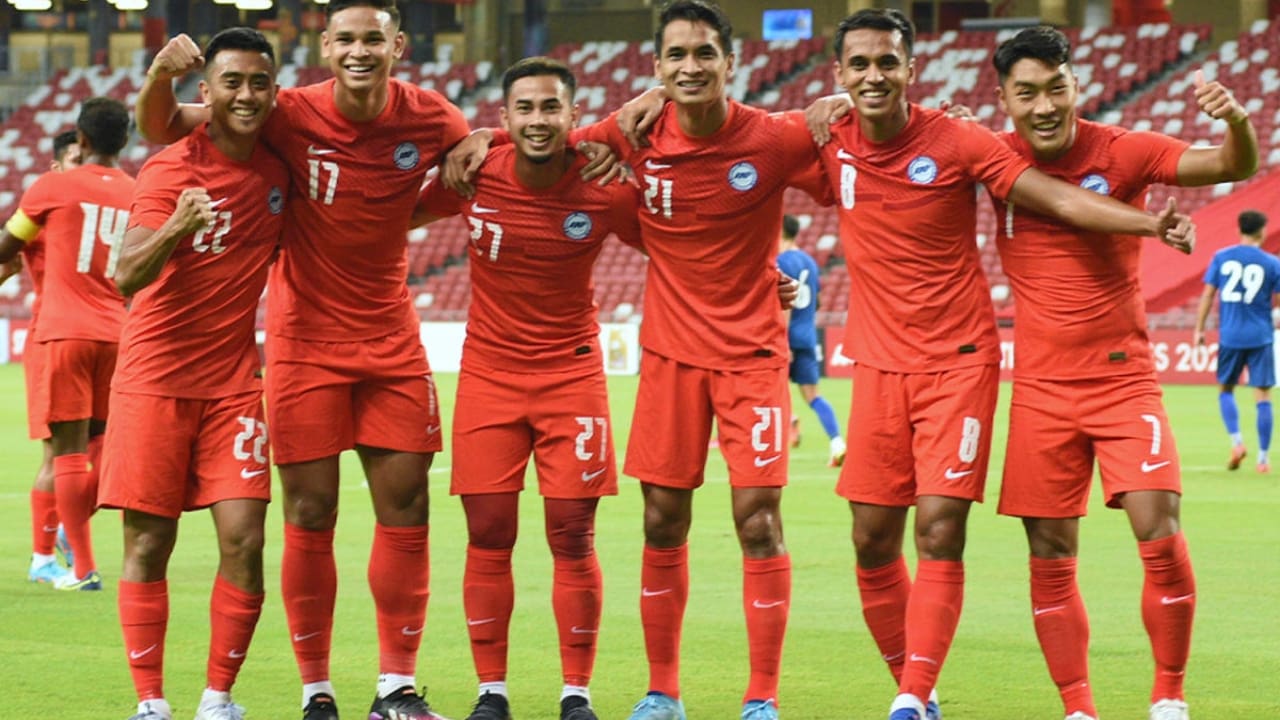
The Singapore national football team embodies the icon of national sporting heritage, reflecting unity, resilience, and ambition for both players and fans.
The team, having been formed many decades ago, has seen its ups and downs-from those heady victories in regional tournaments to struggling to keep pace with the fast-evolving football scenario in Asia.
A Legacy of Growth and National Pride
- Historical Beginnings: Football in Singapore dates back over a century, introduced by British colonialists, and quickly became a beloved sport.
- Evolution of the Game: From a pastime to a national event, football grew in popularity, fostering unity across diverse communities.
- National Pride: The Singapore National Football Team serves as a symbol of national pride, representing the country on the international stage.
- A Growing Sports Culture: While the team hasn’t yet reached the heights of world-renowned football powerhouses, its development reflects the growth of a strong and vibrant sports culture in Singapore.
The Significance of Discussing Singapore’s National Football Team
In recent years, football in Singapore has gained greater prominence. With improvements in sports infrastructure and increasing interest in the game among the younger generation, the analysis of the performance and potentials of growth of the team gives insight into the challenges and opportunities Singapore football faces.
Shaping the Future of Singapore Football
The article looks at the most memorable national team victories, iconic players who have contributed to team success, and strategic development initiatives that raise this team’s potential for successful performances at the international level.
Stay updated with the latest news and bets on Singapore football at 1Win. Only when the reasons behind past successes are understood, and where further growth will lie, will Singapore football aspire for more.
History of the Singapore National Football Team
From Formation to Regional Legacy
The Singapore national football team came into being in 1948. As a new nation, Singapore would try to find some form of identity, and football became a force of unity for them. The formation of the national team would allow Singapore to compete in regional tournaments and build a legacy in Southeast Asia.
Challenges and Milestones of Singapore’s National Football Team
- Infrastructural Challenges: Early setbacks included a lack of proper training facilities and limited resources for the team.
- Financial Difficulties: Budget constraints often hindered the team’s development and participation in regional tournaments.
- Balancing Jobs and Football: Players had to juggle full-time jobs with their national football commitments, showcasing their dedication.
- Resilience and Determination: Despite these obstacles, the team built a reputation for resilience, achieving significant milestones in Southeast Asia.
Early Victories and Rising Football Legacy
The Singapore national team first appeared in international tournaments in the early 1950s, improving with each outing. Although more established footballing countries always confronted them with difficult tasks, the initial victories against Malaysia, Thailand, and others helped to form a base for further positive results and awake excitement among locals.
Major Achievements of the Singapore National Team
Singapore’s Legendary Victories
| Year | Title Won | Opponents Defeated | Key Players & Contributions | Significance |
| 1998 | AFF Championship (Tiger Cup) | Vietnam, Thailand, others | Players like Fandi Ahmad and V. Sundramoorthy | Singapore’s first Tiger Cup win, marking a historic achievement in Southeast Asian football. |
| 2004 | AFF Championship | Thailand, others | Standout performances by Noh Alam Shah and others | Reaffirmed Singapore’s football dominance in the region, sparking national pride. |
| 2007 | AFF Championship | Thailand, others | Key roles from players like Indra Sahdan Daud | Singapore’s third Tiger Cup victory, continuing its rise in regional football. |
| 2012 | AFF Championship | Thailand, Malaysia, others | Heroic efforts by Shahril Ishak and others | Fourth win in the AFF Championship, solidifying Singapore’s place among the top teams in Southeast Asia. |
The Lasting Impact of AFF Championship Wins on Singapore’s Football Community
- National Pride: Each victory fueled a deep sense of pride across Singapore, uniting fans and elevating national spirit.
- Football Culture Enrichment: The wins enhanced the country’s football culture, encouraging more youth participation and growing the sport’s popularity.
- Inspiring Future Generations: Success on the regional stage inspired young players to pursue football, helping develop the next generation of talent in Singapore.
- Strengthening Community Bonds: The victories fostered a strong football community, bringing together people from diverse backgrounds with a shared love for the sport.
Strong Performances in Regional Tournaments
Aside from the AFF Championship, recognizable performances from the Singapore national team came through competitions such as the SEA Games and the Asian Games.
However, while frequent appearances in the knock-out stages of these competitions began to face much stronger regional competition, this has only further entrenched football’s popularity in Singapore.
These include some of the most memorable wins over traditional rivals such as Malaysia, when thrilled fans have fueled national pride.
There are those moments in the iconic Singapore national football team games of the AFF Championship that are still celebrated, where individual players rise to the occasion in high-intensity matches that their fans would never forget.
Key Players Who Shaped the Team’s Success
Legends of Singapore Football
Fandi Ahmad
- Key Achievements: AFF Championship winner (1998, 2004)
- Contribution: Known for his exceptional skill, leadership, and goal-scoring ability
- Legacy: A football icon, setting the standard for skill and commitment in Singapore’s football culture.
V. Sundramoorthy
- Key Achievements: AFF Championship winner (1998, 2004)
- Contribution: Pivotal playmaker and inspirational leader for the national team
- Legacy: Played a crucial role in Singapore’s success and continues to inspire future generations of players.
Inspirational Captains and Leaders
Aide Iskandar
- Role: Former captain and key figure in the team
- Contribution: Known for his resilience and leadership, guiding the team through tough matches
- Impact: Led Singapore to important victories and instilled a sense of unity and determination in the squad.
Shahril Ishak
- Role: Captain and pivotal player for the national team
- Contribution: Demonstrated unwavering commitment and leadership, particularly in crucial games
- Impact: His leadership helped guide the team through critical tournaments, inspiring younger players.
Role of Young Talents
Most recently, youngsters such as Irfan Fandi and Ikhsan Fandi have left their marks; brothers and sons of Fandi Ahmad. It just goes to show how important it is to groom youngsters as the future of the national team.
This brings fresh energy and shows how much better the youth development programs in Singapore are.
Development of Football Infrastructure and Its Impact on the Team
Investments in Stadiums and Training Facilities
More is now invested in the development of the football fraternity in Singapore by the government and football associations.
Modernly equipped stadiums, such as the Sports Hub, and better training fields are improving physical and tactical aspects among the players. It not only upgrades the performance level but also attracts fresher talents.
Football Academies and Youth Programs
For this reason, the country has embarked on building a network of football academies and a youth program geared towards grooming young players. Through such academies, children and teenagers are trained to acquire technical skills and discipline right from tender age.
Programs such as the National Football Academy have been very instrumental in producing players that would later feature for the national team.
Partnerships with International Organizations
International partnerships with football clubs and associations exist to enhance levels of training in Singapore.
Examples include European clubs, where such partnerships would facilitate the needs of players and coaches to learn more in high-level football organizations to improve soccer performance standards in Singapore.
Main Challenges Facing the National Team
Competition with Other Asian Nations
The Singapore national football team competes in a region full of formidable footballing nations like Japan, South Korea, and Iran. Competing with such countries requires continuous development in players’ training and tactical training.
How to bridge this gap-the challenge for Singapore that enables it to compete against the cream of Asian teams.
Differences in Funding and Resources
- Limited Funding: While Singapore has made significant investments in football infrastructure, the funding still lags behind that of larger footballing nations.
- Impact on Development: The disparity in resources affects key areas such as training facilities, scouting networks, and player development programs.
- Competitive Disadvantage: With bigger budgets available to other countries, Singapore faces challenges in competing at the same level in international tournaments.
Talent Discovery and Development
One of the major problems that still haunts Singapore football, of course, is finding and then nurturing talent.
The academies will help, but there are few if any comprehensive scouting programs out there to find youngsters, with pathways needing to be developed for their eventual progression into the national team.
Improving these systems could help raise the Singapore National Football Team standings, ensuring a stronger and more competitive future for the team.
Prospects for the Future of the Singapore National Team
Future Goals and Plans on the International Stage
These are the national representative teams of Singapore, which are expected to create an impression in the two most prestigious regional tournaments: the AFC Asian Cup and the Singapore National Football Team FIFA World Cup Asian Qualifiers games.
Success in these events will bring better prestige to Singapore on the world stage and inspire both local players and fans alike.
Integrating Young Players and Developing Youth Teams
- Youth Transition: For Singapore to remain competitive, Singapore national football team players need to successfully transition into senior positions on the national team.
- Skill Preparation: The youth development system must focus on refining the skills of young players to ensure they are ready for the national stage.
- Smooth Integration: Effective training and support should be in place to help young talents adapt seamlessly to the senior team, showcasing their best abilities.
Role of Coaches and Tactics in Enhancing the Team
The current crop of coaches and tactically fit teams has made them experienced coaches. Singapore has been working on bringing in experienced coaches to develop the players in tactical awareness, fitness, and technique that will help the team survive against more established football nations.
Potential for Success on the International Stage
Opportunities in Major Tournaments
While it will still be farfetched to win the AFC Asian Cup, Singapore could still make some ripples in case continuous investments are done in player development and high-level coaching.
The qualification of a country to big tournaments will raise its profile in the Asean football federation and send ripples of inspiration to young players.
Development of the Local League and Its Impact on the National Team
| Key Areas | Impact on National Team | Details |
| Sustainable Talent Pipeline | Provides competitive training and match experience | The growth of the Singapore Premier League (SPL) nurtures future national team players. |
| Increased Club Contributions | Clubs contribute more talent to the national pool | Stronger clubs feed more skilled players into the national team pool. |
| Better Infrastructure & Visibility | Attracts skilled players and coaches | Improved SPL structure and visibility raise the overall quality of local football. |
| Enhanced Player Skill Development | Fosters a competitive environment for growth | An improved SPL helps develop players’ skills, raising national team performance. |
Singapore as a Football Hub in Southeast Asia
With infrastructure combined with strategic location, Singapore is rightly well-placed to be the football hub in Southeast Asia, attracting the best and brightest talents and crowds of the region. Besides, with an investment in excellent facilities to develop and host regional tournaments, Singapore could be a hub of excellence for football.
Actually, this would not only benefit local players and fans but also contribute to tourism and regional partnership, while the impacts of such a development on the nation’s football culture and economic landscape would be realized long afterward.
Conclusion
Indeed, the rich history of the Singapore national football team is filled with many memorable moments, from those pioneering moments and names that have helped shape the nation’s football culture to current regional tournament victories.
The team certainly doesn’t match up in competition to the other, much larger football nations, competing against whom it has less financial resource support. Remarkably, despite difficult competition and resource constraints, doggedness and potential could be evident in the team.
With continued investment in infrastructure, youth development, and quality coaching, there is every reason to feel this might have Singapore’s national team surging upwards in regional and international competitions.