For the first time since 1998, the structure of the FIFA World Cup is changing the probability story.
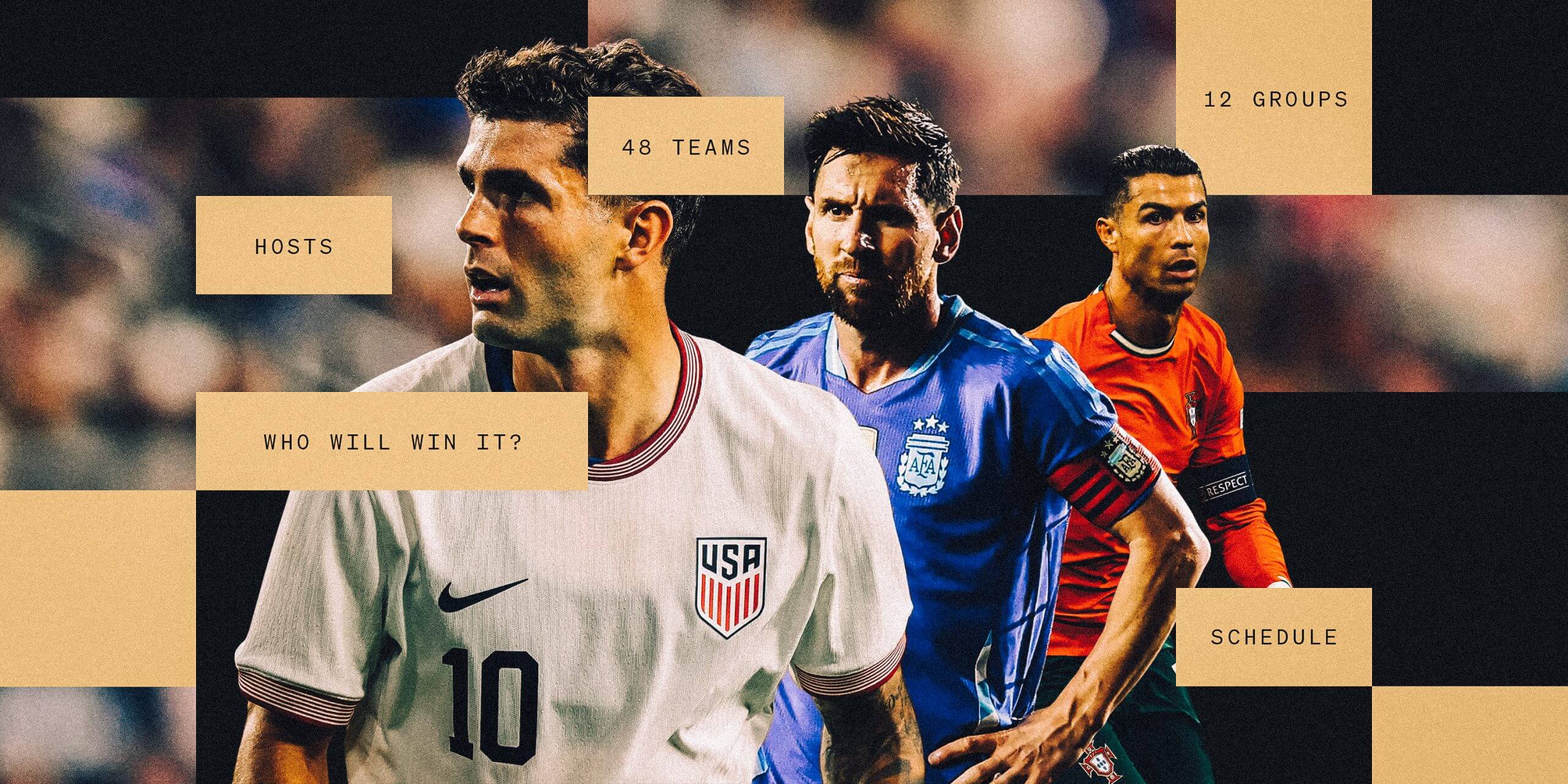
The 2026 edition runs from June 11 to July 19 across the United States, Canada, and Mexico with 48 teams and 104 matches, up from 32 teams and 64 matches in Qatar 2022.
That extra inventory does more than fill calendars. It rewrites how tournament winners are priced, how group stages play out, and how prediction markets and sportsbooks weight the gap between the favourites and the rest of the field.
What 48 teams and 104 matches actually changes
The expansion splits 48 sides into 12 groups of four. The top two from each group go through automatically, joined by the eight best third-placed finishers across the 12 groups.
That gives 32 knockout entrants and a new Round of 32 sitting in front of the familiar Round of 16. From there, the bracket runs to a final at MetLife Stadium in New Jersey on July 19.
A top seed in the old 32-team format needed four knockout wins to lift the trophy. In the 48-team format, that climbs to five. One extra round sounds small until it gets multiplied through implied probabilities.
Even a 75 per cent favourite in each game, which is roughly the level a top-tier nation prices at against weaker knockout opposition, sees its path-through probability drop from about 32 per cent to about 24 per cent because one more elimination match has to be cleared.
That single arithmetic shift sits underneath every price model trying to value an outright winner this summer.
Why group stages just got easier, and what that means for prices
In Qatar, two of every four teams escaped each group. The new format pushes that ratio higher. Two automatic qualifiers from each group plus the eight best third-placed sides means 32 of 48 teams (66.7 per cent) reach the knockout phase, up from 50 per cent.
For the top seeds, this matters less than for mid-market sides. France or Spain was already pricing close to certainty to escape its group in the old format. The 33 per cent margin of safety added by the new structure barely moves the needle on their outright odds.
For the next tier of sides like Belgium, Colombia, and Morocco, the change is more meaningful. A team that previously needed to finish in the top two of a tough group now has a second route via third-place qualification.
That cushion pushes their implied probabilities of reaching the knockouts up sharply, but their tournament-winner probabilities only inch upward because of the extra Round of 32 fixture waiting on the other side.
The net effect: outright prices stay tight at the top because the easier group stage is cancelled by the harder knockout path.
The notable movement shows up in side markets like reach the Round of 16, top goalscorer, and golden boot, where the additional matches genuinely change the underlying distributions.
Third-place finishes finally mean something
In the old 32-team World Cup, finishing third in your group meant going home. In the 48-team format, finishing third still gives a team a shot, provided it finishes among the eight best third-placed sides across the 12 groups.
That has a knock-on effect for tournament prediction. Teams in the 18 to 26 per cent implied-probability range, roughly the third or fourth seed in a tougher group, now have a tiebreak market that did not exist before.
Sportsbooks have introduced new propositions on best third-placed teams and tiebreak qualification, and prediction markets are listing group-finish contracts that price the probability of finishing in any position other than fourth.
Goal difference and goals scored become the live tiebreakers, which tilts incentive structures in the final group fixtures.
Sides that previously sat back to grind out a 0-0 draw and exit safely in fourth now have a reason to push for late goals to either climb to second or sneak into the third-place qualification pool. That changes match dynamics and, with it, in-play and player props pricing.
How oddsmakers and prediction markets are pricing the new format
Going into June 2026, prediction-market aggregates have France narrowly ahead as outright favourite at roughly 17.5 per cent implied probability, with Spain a fraction of a point behind, England at around 11 per cent, and Portugal, Brazil, Argentina, and Germany rounding out the top tier.
Tournament-winner contract volume across CFTC-regulated venues has already cleared $394 million across Kalshi and Polymarket alone, which gives the implied prices unusually deep liquidity for a long-dated event compared with previous World Cup cycles.
That depth matters for the format question. A direct comparison of current implied probabilities against the equivalent prices at the same point before Qatar 2022 shows the favourites trading slightly cheaper, with the field bid up.
The spread is consistent with what the maths predicts. One extra knockout fixture adds variance, and variance benefits the field.
DeFi Rate’s tracker of live World Cup odds aggregates prices across Kalshi, Polymarket, Gemini, OG, and Polymarket US using a volume-weighted average, with hourly updates and a cross-venue scanner that surfaces price gaps between platforms.
For anyone wanting to see how the format change is being priced in real time across multiple venues rather than at a single sportsbook, that aggregated view tends to be where the structural pricing differences show up first.
What it adds up to before kick-off
The headline is that the tournament now has 50 per cent more matches, 50 per cent more teams, and one extra knockout round that elite sides have to clear.
The compounding of those shifts is why outright favourites are not as short as you might expect for a tournament with a clear top tier. The expansion has redistributed risk down the table, not concentrated it at the top.
Watching how implied probabilities move across the group stage, particularly for sides clinging to a third-place qualification, will tell the live pricing story between mid-June and the start of the Round of 32 in early July.
RELATED ARTICLES