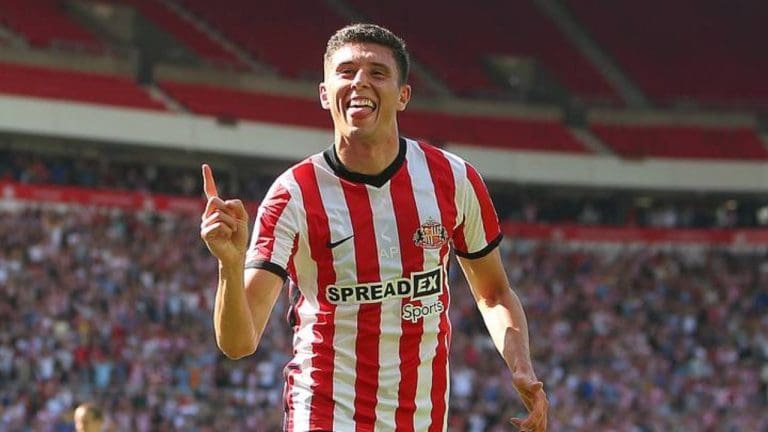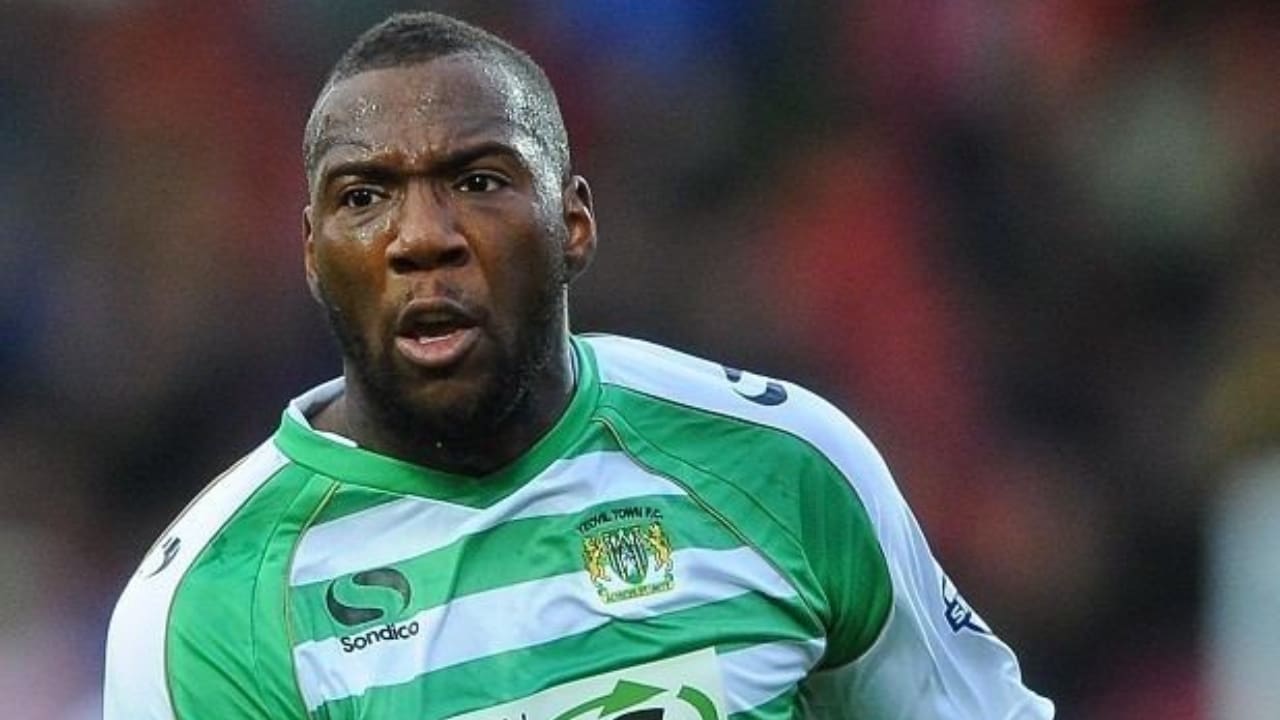
Ishmael Miller, the powerful striker known for his time at West Bromwich Albion and Manchester City, has had a rollercoaster career both on and off the pitch.
Once dubbed “The beast” for his physical presence, his journey took him from the Premier League to lower divisions and involved significant financial challenges.
In this article, you will know Ishmael Miller’s net worth, career earnings, career overview, stats, relationship details, and more.
Ishmael Miller’s Biography
| Fact | Details |
|---|---|
| Full Name | Ishmael Anthony Miller |
| Date of Birth | March 5, 1987 |
| Age | 38 |
| Place of Birth | Moston, Manchester, England |
| Nationality | English |
| Height | 1.91 m (6 ft 3 in) |
| Weight | Approx. 85 kg |
| Position | Striker |
| Turned Pro | 2005 |
| Estimated Net Worth | $100,000 – $500,000 (Estimated) |
| Total Career Earnings | ~$4.6 million (Gross) |
| Current Status | Retired |
| Instagram Profile | N/A |
| Twitter Profile | N/A |
Early Career
Ishmael Miller began his football journey in the youth ranks of Manchester City, his local club. Growing up in Moston, Manchester, he showed early promise as a physically imposing forward who could unsettle defenders with his pace and strength.
He worked his way through the academy system, catching the eye of the coaching staff with his raw ability and goal-scoring potential. His hard work paid off when he was promoted to the first-team squad, making his professional debut for Manchester City in 2006.
During these initial years, he was used primarily as a substitute, learning from established Premier League stars. Although his opportunities to start were limited due to the competition for places at City, he managed to showcase glimpses of his talent.
His early performances demonstrated that he could handle the physicality of top-flight football, which eventually led to loan moves to gain more regular playing time.
This period was crucial in shaping his development before he moved on to become a key figure for other clubs.
Professional Career
Miller’s career truly took off after he joined West Bromwich Albion, initially on loan in 2007 before making the move permanent. At West Brom, he enjoyed his most prolific spell, helping the club secure promotion to the Premier League.
His power and finishing ability made him a fan favorite at The Hawthorns, where he scored crucial goals in their promotion-winning campaign.
Following his success at West Brom, he had spells with several other clubs, including Nottingham Forest, QPR, and Huddersfield Town.
However, his later years were marred by injuries and inconsistency, which saw him move down the leagues. He had stints at clubs like Blackpool, Bury, and Oldham Athletic. His final professional engagement was with Tranmere Rovers in 2019.
Unfortunately, his time there was cut short by injury, leading to a premature end to his playing days. Despite the challenges in his later career, his contributions during his peak years in the Championship and Premier League remain a significant part of his legacy.
Ishmael Miller’s Net Worth Details
As of 2026, Ishmael Miller’s net worth is estimated to be in the range of $100,000 to $500,000, a figure significantly lower than his peak earning years due to past financial difficulties.
Contract
Miller signed several lucrative contracts during his prime, most notably with West Bromwich Albion and Nottingham Forest.
His initial permanent deal with West Brom in 2008 was worth millions over its duration, reflecting his status as a top Championship striker. Later contracts with clubs like Huddersfield and Bury were significantly smaller as he dropped down the divisions.
Salary
Miller was earning a weekly wage estimated between £10,000 and £15,000. This translates to an annual salary of roughly £500,000 to £750,000 during his best years.
However, his income dropped sharply in his final seasons in League One and League Two, where wages are typically a fraction of Premier League earnings.
Career Earnings
| Year Range | Club Level | Estimated Annual Earnings |
|---|---|---|
| 2005–2007 | Manchester City | ~$150,000 – $300,000 |
| 2007–2011 | West Bromwich Albion | ~$500,000 – $800,000 |
| 2011–2014 | Nottingham Forest | ~$400,000 – $600,000 |
| 2014–2016 | Huddersfield/Blackpool | ~$200,000 – $300,000 |
| 2016–2019 | Bury/Oldham/Tranmere | ~$50,000 – $100,000 |
| Total | Career Gross | ~$4.6 Million |
Career Stats
| Club | Season | Apps | Goals |
|---|---|---|---|
| Manchester City | 2005–2008 | 20 | 0 |
| West Brom | 2007–2011 | 80 | 21 |
| QPR (Loan) | 2010–2011 | 12 | 1 |
| Nottingham Forest | 2011–2014 | 30 | 4 |
| Middlesbrough (Loan) | 2012–2013 | 30 | 6 |
| Yeovil Town (Loan) | 2013–2014 | 20 | 10 |
| Blackpool | 2014–2015 | 24 | 2 |
| Huddersfield Town | 2014–2016 | 37 | 4 |
| Bury | 2016–2017 | 3 | 0 |
| Oldham Athletic | 2018–2019 | 3 | 1 |
| Total | All Clubs | 259 | 49 |
FAQs
1. Who is Ishmael Miller?
Ishmael Miller is a retired English professional soccer player who played as a powerful striker for many years. He started his career in the Premier League with Manchester City and became known for his physical strength on the field.
2. Which teams did Miller play for during his career?
He played for several well-known clubs in England, including Manchester City, West Bromwich Albion, and Nottingham Forest. The forward also spent time with teams like Huddersfield Town, Blackpool, and Tranmere Rovers before he finished his professional career.
3. Did Miller win any major soccer trophies?
Yes, the striker won the Football League Championship title twice during his time in the second division. He lifted the trophy with West Bromwich Albion in 2008 and won it again while playing for Queens Park Rangers.
4. When did Ishmael Miller retire from professional soccer?
Miller retired from professional football after his final season with Tranmere Rovers. His career spanned over 14 years, but he eventually left the sport at the age of 33 due to persistent injury problems.
5. What unusual decision did Miller make about his wages?
When he suffered an injury at Tranmere Rovers, Miller asked the club to stop paying his wages until he was fit to play again. He wanted to help his team financially while he recovered, which showed his strong character.