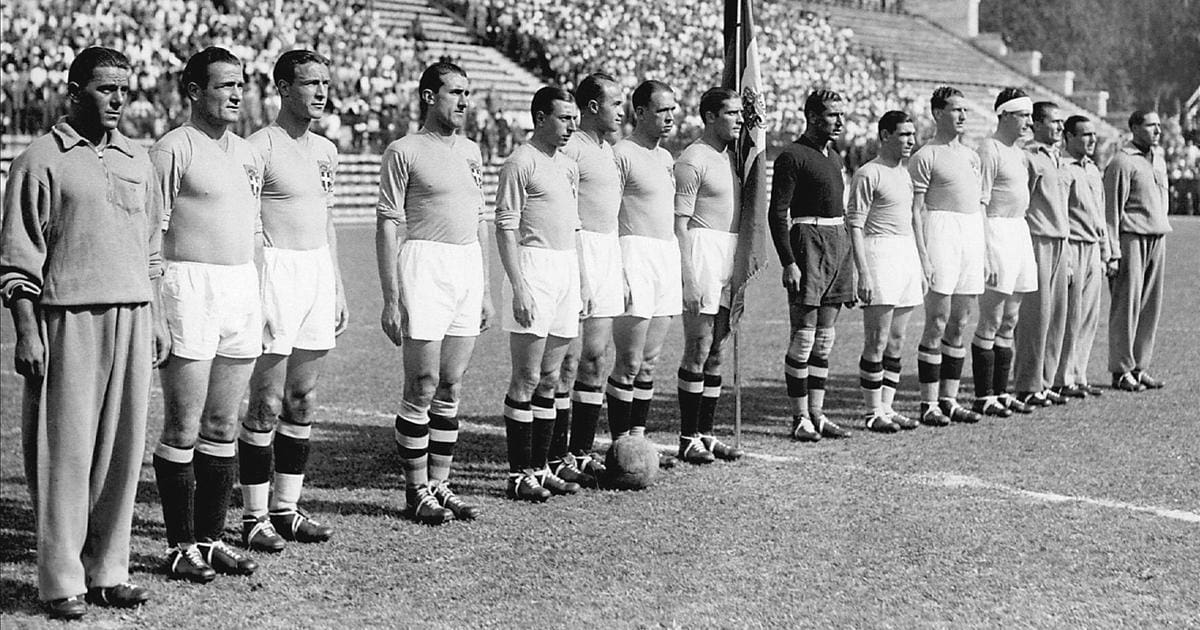
Uruguay holds the proud title of the first country to host the FIFA World Cup. The international sports group chose this small South American nation for the 1930 event.
This decision changed global sports forever and started a tradition that continues today.
The games took place from July 13 to July 30 in the capital city of Montevideo. The story of how Uruguay won the hosting rights is very exciting.
They faced intense competition from several large European countries who also wanted the games.
This guide explores the complete history of the 1930 tournament. You will learn exactly why the organizers selected Uruguay over other nations.
We will also look at the massive travel challenges and how this historic event compares to modern games.
| Quick Fact | Historical Details |
| Host Nation | Uruguay |
| Year of Event | 1930 |
| Tournament Winner | Uruguay |
| Total Teams | 13 Nations |
| Total Host Cities | 1 City |
Why FIFA Selected Uruguay as First Host
The story of how Uruguay became the first country to host the FIFA World Cup began on May 28, 1928.
The organizing group met in Amsterdam to create a new world championship. Six different nations submitted bids to host the big event.
Uruguay secured the bid through three primary advantages:
- National Milestone: 1930 was the 100th anniversary of Uruguay’s first constitution.
- Sporting Success: The national team had won back-to-back Olympic gold medals in 1924 and 1928.
- Financial Guarantee: The government offered to pay all travel and hotel costs for every visiting team and build a 90,000-seat stadium.
European countries could not match this offer during the Great Depression. One by one, the other bidders dropped out.
In May 1929, the organizers named Uruguay the host without a formal vote.
| Bidding Country | Bid Strength | Status |
| Uruguay | Olympic winners and rich offer | Selected as Host |
| Italy | Established sports fields | Withdrew |
| Netherlands | Past Olympic host | Withdrew |
| Spain | Strong local teams | Withdrew |
| Hungary | Strong soccer history | Withdrew |
| Sweden | Organizing skills | Withdrew |
Unique Features of the 1930 Tournament
The first tournament had several distinct features that set it apart from modern competitions. It remains the only World Cup without a qualifying round.
Every member nation received an open invitation to play, provided they accepted by February 1930.
Because travel was difficult, only 13 teams participated. This is the smallest group in the history of the games. You can read more about modern qualification rules on the official FIFA website.
Key differences include:
- Single-City Format: All matches took place in Montevideo across three stadiums.
- Extended Travel: European teams spent three weeks traveling by boat each way.
- No Qualifiers: Participation was based on invitation, not competitive play.
| Continent | Teams | Participating Countries |
| South America | 7 | Uruguay, Argentina, Brazil, Chile, Peru, Bolivia, Paraguay |
| Europe | 4 | France, Yugoslavia, Romania, Belgium |
| North America | 2 | United States, Mexico |
European Participation and the Royal Solution
By the February deadline, zero European teams had agreed to travel.
The Great Depression made a two-month trip financially impossible for players who had regular jobs. A long boat journey meant missing eight weeks of work.
Even with the host country paying all travel costs, major powers like Italy and England declined. The tournament looked like it would only feature teams from the Americas.
The breakthrough came from King Carol II of Romania. He personally picked the Romanian squad and negotiated with their employers to keep their jobs safe.
This helped Yugoslavia, Belgium, and France decide to join. They all shared a large ocean ship that picked up the Brazilian team on the way to Montevideo.
Estadio Centenario: The Temple of Football
The host country built the massive Estadio Centenario to fulfill their bid promise. A local architect designed the giant concrete bowl to hold 90,000 fans. It was named to honor the 100th birthday of the nation.
Construction faced major problems:
- Weather Delays: Heavy winter rains slowed progress significantly.
- Rushed Schedule: The stadium was not ready for the opening matches on July 13.
- Alternative Venues: Early games used smaller local fields like Parque Central.
The stadium opened five days into the tournament. It hosted 10 matches, including the semifinals and the final.
Today, it is a historic world monument. You can find more about historic sports venues through the International Olympic Committee archive.
Uruguay Wins on Home Soil
The home team used their massive fan support to win the event. They beat Argentina 4 to 2 in the final match on July 30, 1930.
This victory created a pattern for future events, proving that playing at home is a massive advantage.
Uruguay’s path to the trophy:
- Trailed 2 to 1 at halftime in the final.
- Scored three goals in the second half for a comeback win.
- Became the first team to win the trophy in their own country.
The loss caused tension between the two final countries. Protests occurred in Argentina, and the two nations paused their sports relationship for a short time.
Evolution of Hosting Standards
The needs of the 1930 tournament show how much the event has grown. The first games relied on one country paying for everything.
Modern events demand billions of dollars in construction for stadiums, airports, and hotels.
Because of these high costs, single countries rarely host alone anymore. We now see shared events designed to spread the financial burden across multiple countries.
| Feature | 1930 First Event | Modern Standard |
| Stadiums Used | 3 venues | 16+ venues |
| Host Cities | 1 city | 16+ cities |
| Teams Playing | 13 invited | 48 qualified |
| Total Matches | 18 matches | 104 matches |
| Event Length | 18 days | 39 days |
| Selection Rules | Bids withdrawn | Multi-year voting |
FAQs
Why was Uruguay the first country to host the FIFA World Cup?
They won the bid to celebrate their 100th birthday as a nation. They were also the Olympic gold medal holders and offered to pay all travel costs for visiting teams. This financial offer convinced FIFA after other European bids were withdrawn.
How many teams played in the first tournament?
Only 13 teams played in the 1930 event. Seven came from South America, four from Europe, and two from North America. It is the smallest group of participants in World Cup history.
Did the host nation win the first tournament?
Yes, Uruguay defeated Argentina 4 to 2 in the final. They became the first host nation to win the trophy, proving the value of home-field advantage.
Why did so few European teams travel in 1930?
The Great Depression and the three-week boat journey made it difficult for players to leave their jobs for two months. Only four European teams accepted the invitation.
Where did the first tournament take place?
Every match happened in Montevideo, Uruguay. They used three stadiums, including the newly built Estadio Centenario. Modern tournaments now use many cities to hold the matches.
How is the first event different from today?
The 1930 games used an invitation system instead of qualifiers. It featured fewer matches in one city over 18 days. Today, the event takes over a month and involves 48 teams in multiple countries.